





How to Evaluate High-Speed Packaging Line Automation ROI
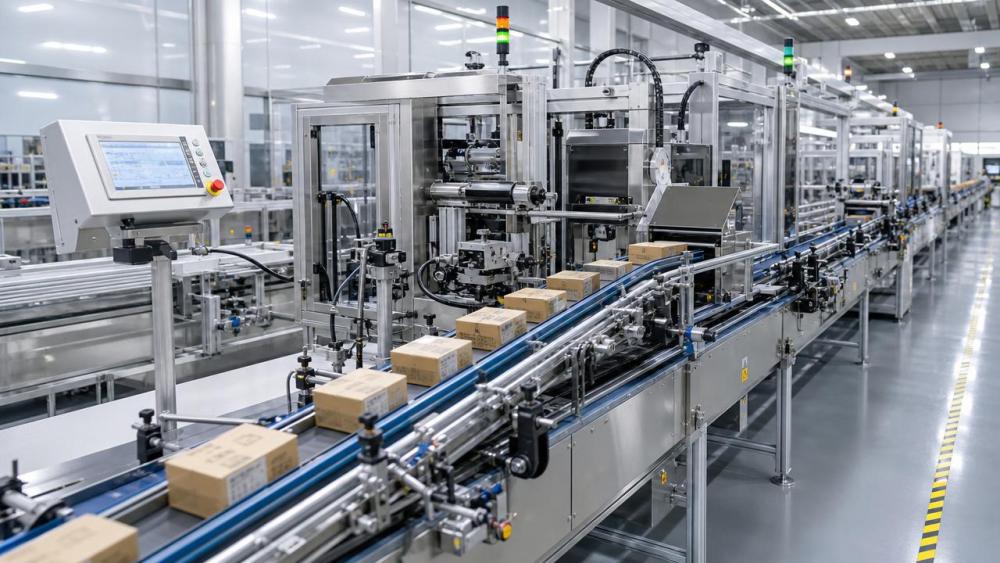
For business decision-makers, evaluating Packaging Line Automation high speed investments is not only about speed. It is about better output, lower losses, and more predictable costs.
A faster line can look impressive during a demo. In real operations, the real question is simpler. Does the system improve profitability without adding hidden risk?
That is why Packaging Line Automation high speed ROI should be measured through operations, labor, quality, maintenance, and supply continuity together.
This matters even more in plants handling unstable demand, rising labor costs, or strict packaging accuracy requirements.
In practice, the strongest business cases come from connecting automation performance to uptime, waste control, changeover speed, and total cost of ownership.
Start with the Baseline Before Comparing Suppliers
Before reviewing a high-speed packaging line, document current line economics. Without a baseline, ROI estimates become sales assumptions rather than decision tools.
Track current throughput per shift, actual OEE, scrap rate, labor hours, maintenance frequency, and unplanned downtime.
Also capture softer losses. These include overtime, short shipments, packaging rework, customer claims, and missed production windows.
This baseline shows whether Packaging Line Automation high speed value comes from volume expansion, cost reduction, or risk prevention.
A useful baseline usually includes these five metrics:
- Units packed per hour under normal operating conditions
- Average labor cost per packaged unit
- Waste, giveaway, and defect-related losses
- Downtime cost per hour and per event
- Changeover time across major SKUs
From a procurement perspective, this baseline makes supplier comparisons sharper and more objective.
Define What “High Speed” Really Means for Your Plant
Not every high-speed packaging line creates the same value. A machine rated at top speed may underperform when product variation increases.
This is where many Packaging Line Automation high speed projects go off track. Buyers focus on peak speed, but the plant lives on sustained speed.
Ask suppliers for real operating data under your packaging format, material type, and shift conditions.
A useful definition of performance should include:
- Sustained units per minute at target quality levels
- Startup time after stoppages or cleaning
- Recovery speed after jams or material interruptions
- Changeover performance between formats and SKUs
- Integration stability with upstream and downstream equipment
More importantly, determine whether line speed aligns with your bottleneck. If case packing is the constraint, a faster filling stage may not improve ROI.
Build ROI Around Four Value Drivers
A solid Packaging Line Automation high speed business case usually rests on four value drivers. They are output, labor efficiency, quality, and reliability.
1. Output Growth
Estimate how many additional saleable units the line can produce each week. Use realistic uptime, not maximum brochure speed.
Then convert extra output into gross margin, not only revenue. This keeps the ROI model grounded.
2. Labor Efficiency
High-speed packaging line automation often reduces manual handling, repetitive inspection, and end-of-line intervention.
Measure direct labor savings, overtime reduction, and redeployment value. In many plants, redeployed labor matters more than headcount cuts.
3. Quality Consistency
Automation can improve seal integrity, label placement, fill accuracy, and package consistency.
That reduces scrap, rework, product giveaway, and customer complaints. These savings are often underestimated in early evaluations.
4. Reliability and Uptime
A Packaging Line Automation high speed system should also lower the frequency and duration of stoppages.
This is where precision components matter. Bearings, chains, belts, couplings, seals, pneumatic actuators, and sensors influence line stability every day.
When suppliers can explain component durability, maintenance intervals, and replacement access, their ROI claims become more credible.
Do Not Ignore Hidden Cost Layers
Many investment reviews focus on purchase price and installation. That is rarely enough for a procurement-grade decision.
A more useful Packaging Line Automation high speed analysis should include all lifecycle costs.
Also examine component support. If critical seals, bearings, or pneumatic parts have long lead times, downtime risk increases.
This is especially important for exporters and multi-site manufacturers that need standardized maintenance planning.
Stress-Test Supplier Claims with Real Questions
A good ROI review is not built on optimistic slides. It is built on operational proof.
When comparing Packaging Line Automation high speed suppliers, ask questions that reveal risk early.
- What is the sustained speed in a comparable production environment?
- Which components are highest wear items, and what are their service intervals?
- How does the line perform during changeovers and mixed SKU production?
- What local support, spare inventory, and remote diagnostics are available?
- What ramp-up time is typical before target OEE is reached?
- What data can be exported for maintenance, traceability, and cost analysis?
If answers remain vague, the ROI model should be treated cautiously.
In actual procurement reviews, the best suppliers usually discuss failure modes, maintenance realities, and integration boundaries very clearly.
Use a Practical ROI Formula That Reflects Operations
A simple ROI model helps teams compare alternatives quickly without losing operational detail.
Use this structure:
Annual ROI = additional gross profit + labor savings + quality savings + downtime savings - annual operating cost increase.
Then calculate payback period by dividing total project investment by annual net benefit.
Run three scenarios:
- Conservative case with slower ramp-up and modest uptime gains
- Expected case based on supplier proof and plant capability
- Best case with strong demand and stable material supply
This approach helps decision-makers see whether Packaging Line Automation high speed value survives under less favorable conditions.
Link Automation ROI to Long-Term Competitiveness
The strongest automation decisions are rarely justified by one metric alone.
A high-speed packaging line can improve delivery reliability, support product expansion, reduce dependence on scarce labor, and strengthen customer confidence.
It can also create a better maintenance structure when supported by reliable bearings, sealing systems, motion parts, and condition monitoring components.
For companies evaluating Packaging Line Automation high speed projects, the best decision comes from balancing speed with maintainability, flexibility, and component support.
If a system delivers higher throughput but creates fragile maintenance demands, the ROI story weakens over time.
A practical next step is to build a supplier scorecard combining financial return, uptime risk, component durability, support capability, and expansion readiness.
That way, Packaging Line Automation high speed selection becomes a strategic investment decision, not just a machinery purchase.
Related News
- 00
0000-00
How FFKM O-rings reduce seal failure in corrosive media - 00
0000-00
What global equipment manufacturing in the USA means for supply chain risk - 00
0000-00
How FFKM outgassing performance affects vacuum seal selection - 00
0000-00
When should heat resistant metallurgy belts be replaced? - 00
0000-00
When does a fluid power maintenance service reduce unplanned downtime?
Weekly Insights
Stay ahead with our curated technology reports delivered every Monday.