





Heavy Duty Chain Price: What Affects Cost in 2026?
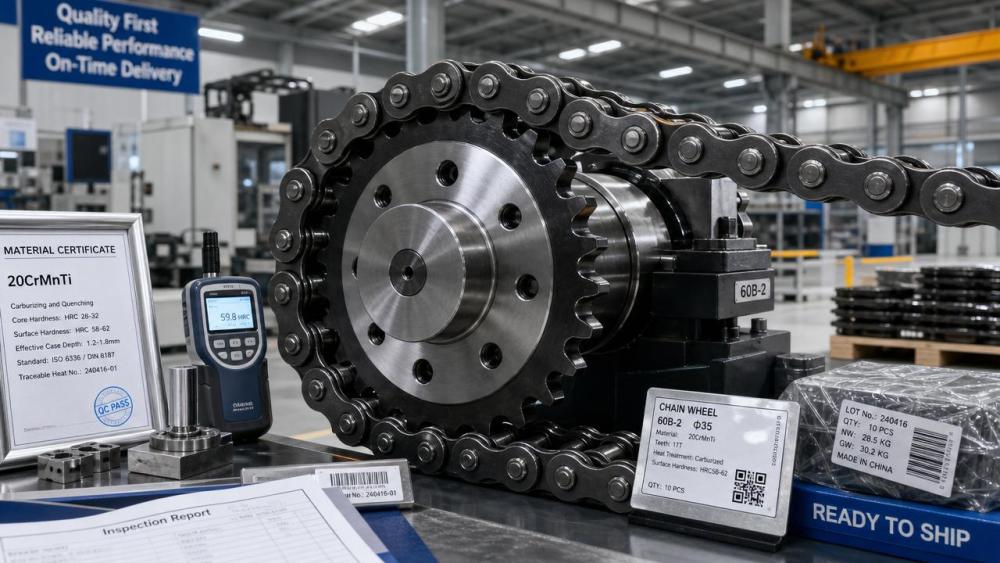
Heavy duty chain price is under closer review in 2026. Buyers are seeing wider quotes, stricter quality checks, and more pressure to justify total spend.
That shift is not just about steel cost. It also reflects load demands, heat treatment quality, traceability, and delivery reliability.
In practical terms, one heavy duty chain price can look attractive upfront, yet become expensive after downtime, stretch, or early replacement.
This guide breaks down the main cost drivers, where quotes often hide risk, and how to compare suppliers with more confidence.
Why Heavy Duty Chain Price Is Moving in 2026
From recent market changes, the clearest signal is volatility. Raw material, energy, freight, and compliance costs no longer move in the same direction.
That makes heavy duty chain price more fragmented across regions. Two similar products may differ sharply because one supplier controls process quality better.
Another clear trend is application intensity. Mining, steel, bulk handling, agriculture, and waste processing need chains that survive shock loads and contamination.
As operating conditions become harsher, standard chain options lose appeal. Buyers are paying more attention to wear life, tensile strength, and maintenance intervals.
This also means price evaluation is no longer a simple unit-cost exercise. It becomes a reliability and lifecycle cost decision.
The Main Factors Behind Heavy Duty Chain Price
The biggest cost driver is material grade. Alloy selection changes strength, fatigue resistance, corrosion behavior, and processing complexity.
Heat treatment is equally important. Proper hardening and tempering raise performance, but they also increase production control cost.
Dimensional precision matters more than many buyers expect. Better pin, bushing, and plate tolerances usually support smoother motion and longer wear life.
Surface treatment also affects heavy duty chain price. Zinc coating, nickel plating, black oxide, or specialty finishes add cost but can cut corrosion-related failures.
Then comes design complexity. Attachment chains, conveyor chains, hollow pin chains, and custom pitch solutions usually cost more than standard roller chain formats.
- Higher alloy content usually means higher heavy duty chain price.
- Advanced heat treatment often raises unit price but lowers wear cost.
- Tighter tolerances improve consistency and reduce installation issues.
- Custom attachments increase tooling, setup time, and inspection effort.
Size, Load, and Duty Cycle Change the Quote Fast
Heavy duty chain price climbs quickly when load ratings increase. More demanding applications need stronger components and often thicker plates.
Duty cycle matters just as much. A chain running continuously in dust, water, or abrasive material needs a very different construction.
In real procurement work, this is where under-specification becomes expensive. A lower quote can disappear after one unexpected shutdown.
Certification and Traceability Add Value, Not Just Cost
Many teams now require mill certificates, batch traceability, and inspection records. These items can raise heavy duty chain price, but they reduce supplier risk.
That is especially true for export programs, regulated facilities, and OEM production lines. Missing documentation can create delays that cost more than the chain itself.
How Supplier Capability Changes Total Cost
A supplier does more than make parts. Process discipline, testing methods, and response speed shape heavy duty chain price and the real ownership cost.
Suppliers with stable metallurgy control often quote higher. Still, they may deliver better chain matching, less elongation, and fewer field complaints.
Lead time is another hidden factor. Short production windows, emergency orders, and partial shipments usually push prices up.
More importantly, inconsistent delivery can disrupt a maintenance plan. That can turn a reasonable heavy duty chain price into a costly stockout problem.
Questions Worth Asking Before Comparing Quotes
- What material grade and heat treatment are used?
- What is the rated working load versus breaking load?
- What inspection reports are included with shipment?
- What lubrication recommendation applies to the target environment?
- What is the expected wear life in a similar application?
- How quickly can the supplier support replacement or troubleshooting?
These questions help separate a low quote from a reliable offer. They also make heavy duty chain price easier to judge on comparable terms.
Comparing Heavy Duty Chain Price by Buying Scenario
Not every buying case should use the same decision model. Spare parts, OEM supply, and project sourcing have different priorities.
The same heavy duty chain price can be acceptable in one case and risky in another. Context matters more than headline cost.
Where Buyers Commonly Miss Hidden Cost
The first missed cost is installation loss. A chain that does not fit properly can waste labor time and delay restart.
The second is lubrication mismatch. Even a fair heavy duty chain price becomes poor value if the chain fails in wet or abrasive service.
The third is frequent replacement. A cheaper chain may need more shutdowns, more labor, and more safety exposure during maintenance.
Finally, there is supplier follow-up. Weak after-sales support can slow root-cause analysis when wear, fatigue, or breakage appears too early.
- Check pitch, width, and attachment details before ordering.
- Review lubrication compatibility with dust, water, and chemicals.
- Estimate replacement labor, not just unit purchase cost.
- Ask for failure analysis support terms in advance.
How to Get a Better Heavy Duty Chain Price Without Sacrificing Quality
The best way is to tighten the specification. Vague RFQs often create wide pricing because suppliers guess different performance levels.
Include application data, duty cycle, environment, speed, lubrication condition, and required service life. Better inputs usually produce a more accurate heavy duty chain price.
Volume planning helps too. Blanket orders, scheduled releases, and approved alternates can reduce production inefficiency and improve negotiating room.
Supplier consolidation is another option. Fewer qualified vendors can simplify quality control, though only if technical standards stay clear.
In many cases, the goal is not the lowest heavy duty chain price. The real goal is the lowest dependable operating cost.
A Practical RFQ Checklist
- Define chain type, pitch, dimensions, and attachment details.
- State operating load, shock load, and running speed.
- Describe temperature, dust, moisture, and corrosion exposure.
- Request material, hardness, and inspection documentation.
- Ask for lead time, MOQ, and replacement support terms.
- Compare lifecycle assumptions, not only piece price.
Final Takeaway for 2026 Sourcing
Heavy duty chain price in 2026 reflects far more than metal cost. It captures performance expectations, supply reliability, documentation, and the supplier’s process maturity.
A smart buying decision starts with clear application data and consistent quote comparison. That approach reduces surprises after installation.
When heavy duty chain price is reviewed through lifecycle cost, the conversation becomes more practical. Better uptime often outweighs a small difference in unit cost.
Use supplier questions, technical checks, and realistic service assumptions to make the final choice. That is usually where better value is found.
Related News
- 00
0000-00
How FFKM O-rings reduce seal failure in corrosive media - 00
0000-00
What global equipment manufacturing in the USA means for supply chain risk - 00
0000-00
How FFKM outgassing performance affects vacuum seal selection - 00
0000-00
When should heat resistant metallurgy belts be replaced? - 00
0000-00
When does a fluid power maintenance service reduce unplanned downtime?
Weekly Insights
Stay ahead with our curated technology reports delivered every Monday.