





On June 15, 2026, Huaxin Building Materials Group disclosed the award result for its "030218 bearing sleeve and related items" negotiation, naming Wuhan Wazhou Bearing Sales Co., Ltd. as supplier for bearing sleeves, withdrawal sleeves, and spherical roller bearings for the Chilanga plant in Zambia. For bearing component distributors, engineering contractors, procurement teams, and cross-border supply chain operators serving African industrial projects, the update is worth watching because it ties product specification, standards-based delivery, and local response capability into one confirmed procurement case.
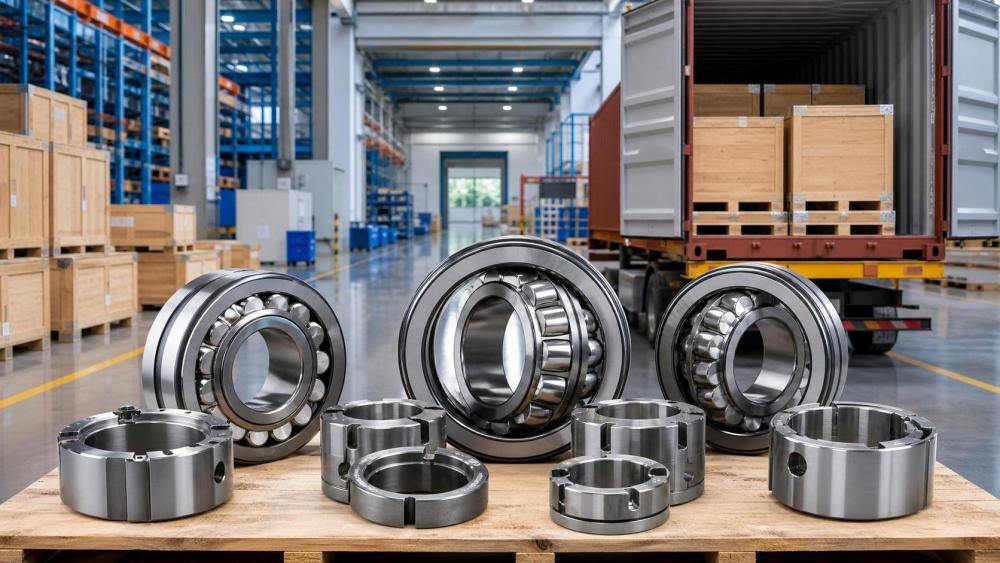
What the confirmed procurement covers
The disclosed award result identifies Wuhan Wazhou Bearing Sales Co., Ltd. as the selected supplier for the Zambia Chilanga plant under Huaxin Building Materials Group.
The procurement scope includes bearing sleeves, withdrawal sleeves, and spherical roller bearings. The project also covers P0-grade precision bearing components.
According to the provided information, delivery is required to comply with ISO 281 and GB/T 274 standards. The announcement is presented as evidence of fast response and compliant delivery capability by a Chinese bearing supplier within a localized supply system serving Africa.
Why this matters across the supply chain
Reference value for distributors serving African projects
From an industry perspective, distributors focused on African industrial demand may read this as a practical reference point for how component supply is being evaluated: not only by product category, but also by whether standards compliance and delivery execution can be demonstrated in a cross-border setting. The most relevant impact is on supplier selection, quotation preparation, and communication with project buyers.
Implications for engineering contractors and project procurement
For engineering contractors and plant-side procurement teams, the development suggests that component sourcing decisions are closely tied to the ability to match exact categories and deliver against recognized standards. What deserves closer attention is whether procurement files, technical confirmation, and delivery commitments are aligned early enough to reduce execution risk in overseas plant operations.
Pressure points for supply chain service providers
For companies involved in supply chain coordination, the case highlights the business importance of handling standardized components in a way that supports local responsiveness. Analysis shows the likely effect is not a broad market shift by itself, but a sharper focus on execution details such as specification matching, supporting documentation, and delivery reliability for African destinations.
What companies should watch next
Standards language in future tenders
Companies tracking similar opportunities should pay close attention to how ISO 281 and GB/T 274, or comparable standards references, appear in future procurement language. In practical terms, this affects how suppliers prepare technical submissions and how buyers compare bids beyond price alone.
Readiness for bearing-related product combinations
The confirmed scope covers multiple related items rather than a single part category. That means suppliers and channel partners should watch whether future demand increasingly favors bundled capability across sleeves, withdrawal sleeves, and bearing products, especially where plant maintenance and equipment continuity are involved.
Documentation and fulfillment discipline
For exporters, distributors, and contractors, one immediate operational focus is whether qualification documents, technical records, and fulfillment commitments can support standards-based delivery in overseas projects. The value of this update lies less in broad messaging and more in the practical benchmark it creates for transaction readiness.
Client communication in African market work
Teams serving African customers should also consider how to communicate compliance capability clearly during bid and execution stages. Observably, the confirmed procurement makes supplier responsiveness and compliant delivery part of the commercial conversation, not just a back-end logistics issue.
How this signal should be interpreted
Analysis shows this development is better understood as a verified project-level signal than as proof of a wider market shift. It confirms that in at least one Zambia plant procurement case, Chinese bearing-related supply capability was recognized through a formal award outcome tied to specified products and standards.
At the same time, it remains too early to treat a single disclosed procurement as a definitive indicator of broader demand patterns across Africa. What deserves closer attention is whether similar announcements continue to show the same emphasis on standards compliance, multi-item matching, and localized delivery responsiveness.
A measured takeaway for the market
The main industry significance of this update is that it provides a concrete example of how component procurement for African industrial operations can be judged through both technical scope and delivery discipline. For market participants, the practical lesson is not to overstate the event, but to recognize it as a useful reference for supplier qualification, project procurement, and cross-border execution planning.
It is more appropriate to understand this as a current and credible supply chain signal that merits continued observation, especially for businesses linking Chinese industrial components with African plant demand.
Basis of this report
This article is based on the user-provided news title, event date, and event summary. For this type of industry update, relevant source categories typically include official announcements, company disclosures, industry association information, authoritative media reporting, and standards organization documents. A specific official source link was not provided in the input, so the underlying announcement and any later updates still require ongoing verification. Follow-up attention should remain on whether additional official disclosures clarify procurement execution, similar project awards, or further standards-related purchasing signals.
Related News
- 00
0000-00
How precision transmission systems improve robot positioning accuracy - 00
0000-00
When welded hydraulic cylinder systems suit high-cycle equipment - 00
0000-00
Building a Conveyor Belt Predictive Maintenance Plan for Dusty Facilities - 00
0000-00
Which Chain Wear Indicators Enable Reliable Predictive Maintenance? - 00
0000-00
Predictive Maintenance for Conveyor Belts: Preventing Failures in High-Throughput Lines
Weekly Insights
Stay ahead with our curated technology reports delivered every Monday.