





Packaging Automation Components Conveyors: Common Failure Points to Fix
In packaging lines, packaging automation components conveyors are often the first systems to reveal wear, misalignment, or control issues that can disrupt output.
Understanding the most common failure points helps reduce downtime, improve reliability, and speed up corrective action.
This guide focuses on practical checks, clear warning signs, and realistic fixes that support smoother line recovery.
Why Packaging Automation Components Conveyors Fail First
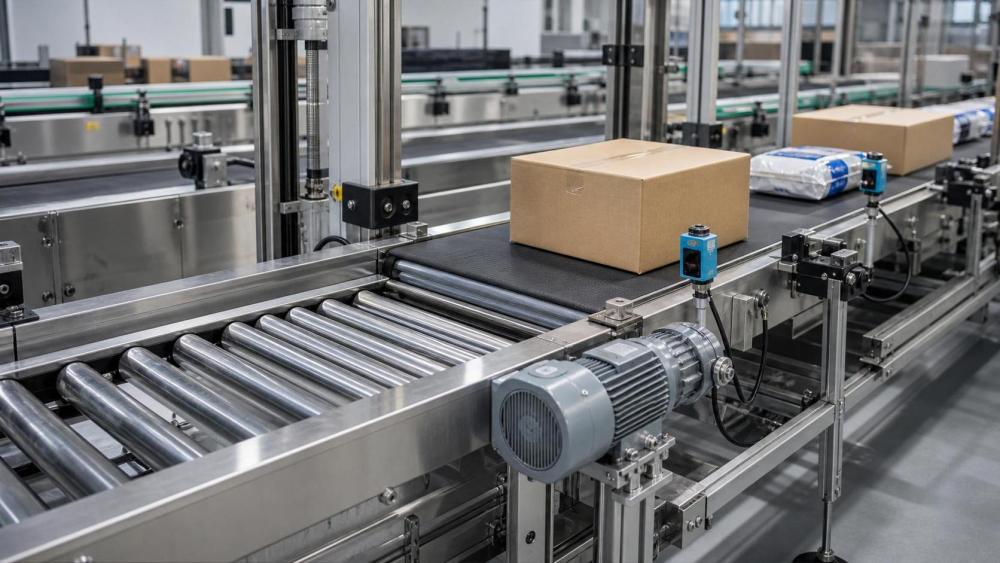
Packaging automation components conveyors sit at the center of movement, timing, product flow, and handoff between machines.
That means even a small fault can quickly spread into jams, rejects, sensor errors, or unplanned stops.
From recent service trends, failures usually begin with mechanical wear, tracking drift, poor lubrication, or unstable controls.
A conveyor may still run, yet speed variation, vibration, and product spacing issues often appear before a total shutdown.
This also means early inspection matters more than waiting for a hard failure.
The Most Frequent Root Causes
- Belt or chain misalignment causing edge wear and unstable tracking.
- Bearing degradation increasing friction, heat, and motor load.
- Drive component wear in sprockets, pulleys, couplings, or gearboxes.
- Sensor contamination leading to false product detection.
- Control timing drift between conveyor motion and packaging stations.
- Loose fasteners or frame distortion after repeated vibration cycles.
Failure Point 1: Belt Tracking and Chain Alignment
Among packaging automation components conveyors, tracking problems are often the easiest warning sign to spot.
Products begin drifting, side guards show marks, and belt edges fray faster than expected.
With chain conveyors, poor alignment may show up as noise, jerky motion, or uneven engagement on sprockets.
What Usually Causes It
- Uneven tension between left and right adjustment points.
- Worn pulley lagging or damaged sprocket teeth.
- Bent shafts or shifted frame sections.
- Debris buildup under return rollers or wear strips.
What to Check First
- Compare belt position at head, center, and tail.
- Measure chain slack against the equipment standard.
- Inspect pulley faces, sprockets, and guide rails for uneven wear.
- Verify frame squareness after any impact or relocation.
In practice, small alignment errors often return unless the real source, not just the tension setting, gets corrected.
Failure Point 2: Bearings, Rollers, and Rotating Wear Parts
Packaging automation components conveyors depend on smooth rotation at every transfer, idler, drive, and support point.
When bearings begin to fail, the conveyor may still move, but resistance rises and consistency drops.
A more obvious signal is heat around one roller or repeated overload alarms on the drive.
Typical Warning Signs
- Rumbling noise that changes with speed.
- Localized heat near pillow blocks or roller ends.
- Black dust, grease leakage, or metal fines.
- Rollers that hesitate during manual rotation.
Fast Corrective Actions
- Replace failed bearings in matched sets where load sharing matters.
- Check shaft scoring before installing new parts.
- Use the correct grease type and interval.
- Confirm seals are intact in washdown or dusty environments.
This is where precision components matter, because poor bearing quality often shortens service life across the whole conveyor path.
Failure Point 3: Motors, Gearboxes, and Power Transmission
Many packaging automation components conveyors fail from the drive side, not from the belt surface.
Motors, reducers, couplings, chains, and belts all influence torque transfer and speed stability.
If the line hesitates during startup or load changes, the drive train deserves close attention.
Common Drive-Side Problems
- Worn couplings causing backlash and vibration.
- Loose gearbox mounts changing alignment under load.
- Chain elongation reducing timing accuracy.
- Belt slip during peak product accumulation.
- Improper lubrication inside gear reducers.
A Simple Diagnostic Sequence
- Check motor current against normal operating history.
- Listen for gearbox pitch changes during acceleration.
- Inspect coupling inserts, keys, and fastener tightness.
- Confirm output speed matches control settings.
When packaging automation components conveyors show recurring motion instability, transmission parts are often the hidden cause.
Failure Point 4: Sensors, Pneumatics, and Control Timing
Not every conveyor fault is mechanical.
Packaging automation components conveyors also rely on sensors, actuators, valves, and PLC timing to keep product flow synchronized.
If spacing suddenly changes, or products stop at the wrong location, control-side issues may be driving the problem.
Frequent Control-Related Failure Points
- Dirty photoelectric sensors producing false triggers.
- Loose sensor brackets after vibration.
- Air leaks reducing actuator response speed.
- Sticky pneumatic cylinders delaying gate movement.
- Parameter drift after drive replacement or software changes.
Best First Checks
- Clean sensor lenses and reflectors.
- Review I/O status while the line cycles.
- Measure air pressure at the point of use.
- Compare actual delay times with saved recipes.
In real service work, control faults often look mechanical at first, which is why a step-by-step check prevents wasted replacement.
Failure Point 5: Frames, Fasteners, and Transfer Interfaces
Some packaging automation components conveyors keep failing because the support structure has slowly shifted.
This becomes more visible at transfers, where even minor height changes create hang-ups and product rotation.
A line may pass empty test runs, yet fail once real product weight and speed are applied.
Check These Areas Carefully
How to Troubleshoot Faster Without Guessing
The fastest way to restore packaging automation components conveyors is to avoid random part swapping.
A short, repeatable troubleshooting flow usually saves more time than any emergency workaround.
A Practical Service Flow
- Define the symptom clearly: drift, noise, stop, slip, or bad timing.
- Locate where the symptom begins, not where the line finally stops.
- Separate mechanical, electrical, and pneumatic causes.
- Check wear parts before changing control parameters.
- Record measurements so recurring faults become easier to compare.
This approach is especially useful when packaging automation components conveyors fail intermittently.
Intermittent problems usually leave patterns in temperature, vibration, current, pressure, or timing history.
Preventive Actions That Reduce Repeat Failures
Long-term reliability for packaging automation components conveyors depends on disciplined preventive work, not just quick repair.
The strongest results usually come from a few basic routines done consistently.
- Track bearing temperature, noise, and lubrication intervals.
- Inspect chain stretch, belt wear, and pulley condition weekly.
- Retighten structural fasteners after major stoppages or changeovers.
- Clean sensors and verify actuator response under actual production speed.
- Review spare parts quality for bearings, seals, chains, and transmission items.
For operations that depend on uptime, even simple condition monitoring can reveal problems earlier.
That includes vibration checks, thermal scans, air leak surveys, and trend reviews from variable speed drives.
PCTS continues to track these practical reliability topics across bearings, fluid power, transmission systems, seals, and industrial MRO decisions.
Final Takeaway
When packaging automation components conveyors begin showing drift, heat, noise, timing errors, or transfer jams, the first clues are usually visible early.
The key is to check alignment, bearings, power transmission, controls, and structural interfaces in a logical order.
That reduces guesswork, shortens downtime, and improves the quality of every repair decision.
If recurring faults continue, build a comparison record for each conveyor zone and use it to guide faster, more confident fixes on the next stop.
Related News
- 00
0000-00
How to select heavy duty metallurgy belts for high-temperature loads - 00
0000-00
When does a pneumatic system integrator reduce project risk? - 00
0000-00
When edge computing diagnostics reduce unplanned downtime - 00
0000-00
How precision transmission systems improve robot positioning accuracy - 00
0000-00
When welded hydraulic cylinder systems suit high-cycle equipment
Weekly Insights
Stay ahead with our curated technology reports delivered every Monday.