





Precision Transmission Systems: Key Factors for Accurate Equipment Selection
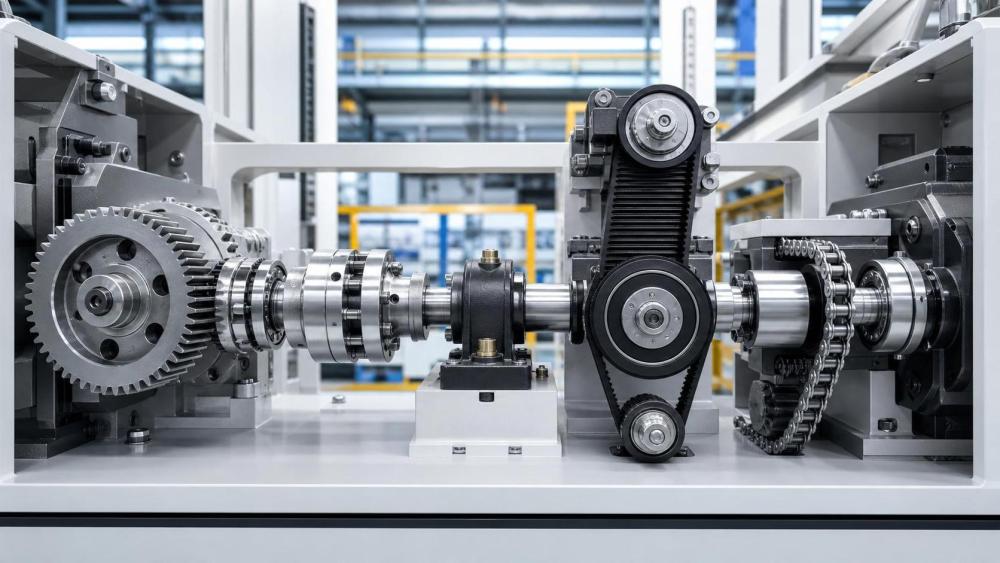
Selecting precision transmission systems is not only about matching torque, speed, or load.
The harder part is choosing a system that stays accurate under pressure, heat, contamination, and nonstop operation.
That is why equipment selection often becomes a reliability decision, not just a mechanical calculation.
In real projects, precision transmission systems affect positioning accuracy, motion stability, sealing performance, maintenance frequency, and total ownership cost.
A small mismatch in bearing stiffness, coupling alignment, chain wear resistance, or belt tension can create large downstream losses.
From recent industry shifts, the stronger signal is clear.
Buyers now expect precision transmission systems to support efficiency, cleaner operation, easier monitoring, and lower lifecycle risk.
This article breaks down the practical factors that make equipment selection more accurate and more defensible.
Start With the Application, Not the Catalog
Many selection mistakes begin with a product-first mindset.
Precision transmission systems should be chosen from the application backward.
That means defining the motion profile, duty cycle, shock level, environment, and expected accuracy before comparing components.
A packaging line, CNC spindle, wind turbine pitch drive, and hydraulic lifting system may all transmit power.
Still, they demand very different behavior from precision transmission systems.
- Define required positioning accuracy and repeatability.
- Measure peak versus continuous load conditions.
- Check speed variation, starts, stops, and reversals.
- Map contamination, moisture, chemicals, and temperature exposure.
- Set maintenance access and replacement window limits.
This early framing helps avoid overengineering and under-specifying at the same time.
It also improves supplier discussions because technical requirements become measurable, not vague.
Accuracy Depends on the Whole Transmission Chain
Precision transmission systems rarely fail on one parameter alone.
Accuracy depends on how bearings, shafts, couplings, belts, chains, gears, seals, and housings work together.
For example, a high-quality bearing cannot fully compensate for poor shaft rigidity or coupling misalignment.
Likewise, a strong chain drive may still lose positioning consistency if lubrication control is weak.
In practice, accurate equipment selection should review system-level factors such as stiffness, backlash, vibration, and thermal growth.
Critical Interaction Points
- Bearing preload influences rotational precision and heat generation.
- Coupling flexibility affects alignment tolerance and torsional stability.
- Chain elongation changes timing accuracy over service life.
- Belt slip can reduce motion consistency under variable loads.
- Seal drag may alter efficiency and operating temperature.
This is where many selection reviews become sharper.
Instead of asking which component looks best, ask which combination keeps the full transmission chain stable.
Load, Speed, and Duty Cycle Must Be Read Together
Torque and speed ratings are only starting points.
Precision transmission systems respond differently under continuous duty, intermittent peaks, shock loading, and variable-speed operation.
A system that looks adequate in nominal conditions may wear quickly during frequent start-stop cycles.
This matters in robotics, conveyors, machine tools, processing lines, and hydraulic-assisted mechanisms.
A realistic selection process should compare dynamic and static demands side by side.
More accurate data here leads to more accurate precision transmission systems selection later.
Environmental Conditions Often Decide Service Life
In many plants, environmental stress causes more problems than rated load.
Dust, washdown, corrosive media, high temperature, and vibration can reduce the reliability of precision transmission systems fast.
This also means sealing choices should never be treated as secondary.
Seals, O-rings, bearing shields, and lubricant compatibility directly affect uptime.
For harsh environments, the best precision transmission systems usually combine robust transmission parts with matching sealing materials and contamination control.
Questions Worth Asking
- Will the system face chemical splashes or abrasive dust?
- Can standard elastomers survive the operating temperature?
- Is relubrication practical in the installed position?
- Does the design protect against leakage and ingress together?
When these answers are clear, selection risk drops significantly.
Material, Lubrication, and Sealing Strategy Matter More Than Expected
Precision transmission systems perform differently depending on metallurgy, surface finish, lubrication method, and seal design.
These choices influence friction, wear pattern, energy loss, and contamination resistance.
For high-speed applications, lubrication stability and thermal control become critical.
For heavy-duty chains or belts, material fatigue and wear protection matter more.
For hydraulic or pneumatic linked systems, compatible seals can prevent leakage-driven performance loss.
- Match material strength to fatigue and impact conditions.
- Choose lubrication for speed, load, and contamination level.
- Verify seal material against media and temperature exposure.
- Check whether low-friction design changes sealing effectiveness.
This is especially important when comparing lower-cost alternatives.
The cheaper option may meet drawings, yet fail under real lubrication or sealing conditions.
Supplier Capability Is Part of Equipment Selection
Precision transmission systems should not be evaluated only by product dimensions or catalog ratings.
Supplier capability strongly affects consistency, support speed, and long-term reliability.
In actual procurement, technical documentation quality can be a strong early signal.
So can testing records, traceability, material control, and responsiveness during failure analysis.
For precision transmission systems used in critical equipment, selection should include both component performance and supplier reliability.
- Review tolerance control and process stability.
- Ask for lifecycle data, not just initial ratings.
- Confirm application support for installation and troubleshooting.
- Check regional supply continuity for spare parts planning.
A capable supplier helps reduce technical uncertainty before the system enters service.
Look Beyond Purchase Price to Lifecycle Cost
A lower initial price can hide a higher operational cost.
Precision transmission systems should be compared by total value across installation, maintenance, energy use, spare parts, and downtime risk.
This becomes more important in high-throughput lines or remote equipment.
There, one failure can cost far more than the original component price difference.
A disciplined selection review should include:
- Expected maintenance interval and labor time.
- Lubricant consumption and relubrication frequency.
- Seal replacement cycle and leakage consequences.
- Energy efficiency under actual operating conditions.
- Inventory burden for critical spare components.
This broader view often changes which precision transmission systems are truly the best fit.
Use Data and Field Feedback to Improve Selection Accuracy
The best equipment selection process does not end at purchase.
Precision transmission systems should be reviewed against real operating data after installation.
Vibration trends, temperature rise, leakage events, wear patterns, and replacement intervals all reveal whether the original assumptions were correct.
This feedback loop is especially valuable for OEM standardization and MRO optimization.
It also supports better sourcing decisions across future projects.
Today, condition monitoring tools make this easier.
Smart sensing, edge diagnostics, and maintenance records can show where precision transmission systems deliver value and where hidden risks remain.
That means every completed project can improve the next selection decision.
Conclusion
Choosing precision transmission systems accurately requires more than matching a few technical ratings.
It requires a system view that connects application demands, transmission behavior, sealing reliability, supplier capability, and lifecycle economics.
When these factors are reviewed together, equipment selection becomes more practical and far less risky.
For industrial teams working with bearings, hydraulic systems, pneumatic motion, chains, belts, seals, and MRO planning, that clarity matters.
It supports better uptime, steadier performance, and stronger cost control over the full service life.
The most reliable next step is simple: evaluate precision transmission systems in the context of the entire machine, then validate the choice with field data and supplier evidence.
Related News
- 00
0000-00
When does an export compliance service reduce shipment delays? - 00
0000-00
How to assess a mechanical seal solutions supplier’s quality control - 00
0000-00
How to use chain wear analysis to prevent mining conveyor failures - 00
0000-00
How to select PU timing belts for automation with high positioning accuracy - 00
0000-00
How to size power transmission systems for steel mill loads
Weekly Insights
Stay ahead with our curated technology reports delivered every Monday.