





Packaging Automation Components: What Affects Lifetime Cost Most?
For procurement teams, purchase price is only the visible part of the decision.
The bigger cost sits in uptime, service intervals, spare parts, and energy use.
That is why packaging automation components should be compared through lifetime cost, not unit price alone.
In practical sourcing, one cheap component can trigger expensive line stops.
A stronger supplier offer often looks more expensive at first.
Yet over time, better packaging automation components usually protect throughput, maintenance budgets, and replacement planning.
Why Lifetime Cost Matters More Than Initial Price
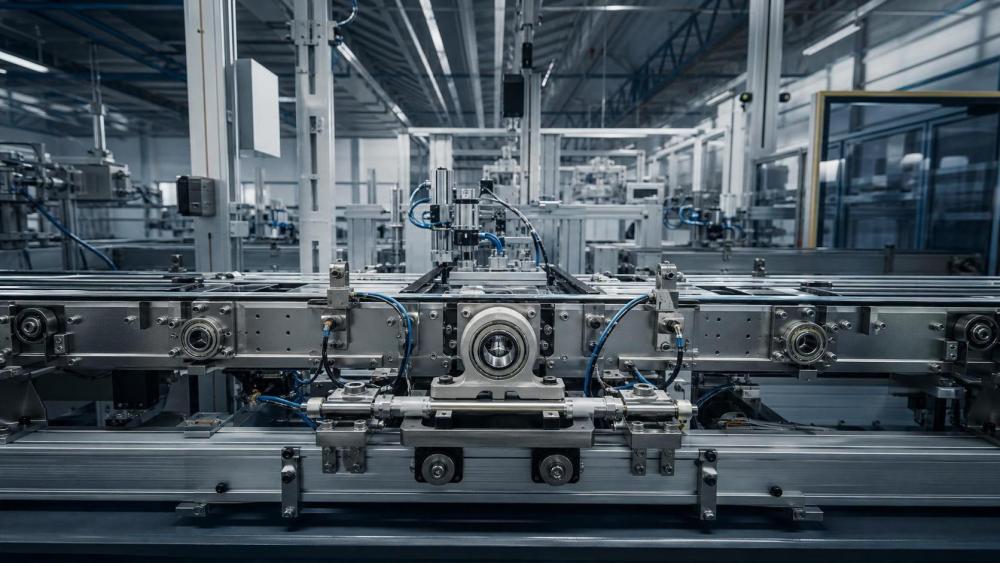
Packaging lines depend on motion control, repeatability, and stable cycle time.
When packaging automation components fail, the impact spreads fast across upstream and downstream processes.
This includes bearings, actuators, chains, belts, couplings, seals, sensors, and pneumatic or hydraulic elements.
The real question is simple.
How much will these packaging automation components cost during their full service life?
From recent market shifts, reliability now carries more weight than before.
Lead time volatility and labor shortages make emergency replacement even more expensive.
That also means buyers need a wider evaluation model.
- Unit price is only one data point.
- Maintenance frequency changes labor cost fast.
- Energy losses quietly raise annual operating expense.
- Compatibility gaps increase installation and tuning time.
- Downtime risk often becomes the biggest hidden cost.
The Main Cost Drivers in Packaging Automation Components
Not every cost driver has the same financial impact.
Some hit slowly through wear.
Others hit in one sudden breakdown.
1. Reliability Under Real Packaging Conditions
Datasheet values rarely tell the full story.
Packaging automation components may face dust, washdown, vibration, heat, and nonstop cycling.
A component that performs well in clean testing may fail faster on a high-speed packaging line.
This is especially true for bearings, seals, belts, and pneumatic actuators.
Ask suppliers for application-specific life data, not only standard ratings.
2. Maintenance Frequency and Service Simplicity
Frequent maintenance raises cost in two ways.
It consumes labor hours and it interrupts production windows.
Packaging automation components with easier lubrication, faster replacement, or longer service intervals lower total ownership cost.
In day-to-day operations, simple service access matters more than buyers often expect.
3. Energy Efficiency and Mechanical Losses
Energy cost is not limited to motors and drives.
Poor alignment, friction, leakage, and inefficient transmission raise power demand over time.
Low-friction bearings, efficient seals, and stable transmission parts help packaging automation components run with fewer losses.
The savings may look small monthly.
Across multiple lines and long shifts, they become very noticeable.
4. Compatibility With Existing Equipment
A cheaper part can become expensive when integration takes too long.
Packaging automation components should fit current layouts, mounting points, control logic, speed targets, and hygiene requirements.
If not, extra adapters, engineering hours, and testing cycles push total cost up.
5. Downtime Exposure and Spare Parts Risk
Downtime is usually the most expensive line item.
A failed seal or bearing may stop filling, conveying, labeling, or palletizing.
That single interruption can erase the savings from lower-priced packaging automation components.
Availability of local stock, replacement kits, and supplier response time should always be part of the quote review.
How to Compare Suppliers Beyond the Quoted Price
A solid sourcing decision needs a structured comparison method.
This makes supplier discussions more objective and easier to defend internally.
When reviewing packaging automation components, use both technical and commercial filters.
Build a Practical Evaluation Scorecard
A scorecard keeps short-term price pressure from dominating the final decision.
Ask Better Supplier Questions
The quality of the answer often reveals the quality of the supplier.
- What is the expected service life in similar packaging environments?
- Which failure modes are most common for these packaging automation components?
- What maintenance interval is recommended under continuous duty?
- Can the supplier provide local technical support and spare stock?
- What installation errors usually reduce component life?
Common Buying Mistakes That Raise Total Cost
In many projects, cost problems start with a narrow RFQ process.
The component looks acceptable on paper, but underperforms in actual production.
Choosing by Unit Price Alone
This is still the most common error.
Low-cost packaging automation components may carry higher failure rates, shorter replacement cycles, or unstable quality between batches.
Ignoring Operating Environment
Moisture, cleaning chemicals, heat, and shock loads change performance quickly.
Seals, bearings, and transmission elements must match the real environment, not only nominal specifications.
Undervaluing Supplier Support
Support quality becomes critical when failures happen at speed.
A responsive supplier can reduce diagnosis time, recommend substitutes, and shorten restart delays.
Failing to Standardize Critical Parts
Too many part variants create inventory complexity.
Standardized packaging automation components can simplify spare planning, training, and replacement speed across multiple lines.
A Practical Buying Framework for Lower Lifetime Cost
A practical framework helps turn cost analysis into action.
It also makes internal approval easier because trade-offs become visible.
- Map the component to its production impact.
- Estimate failure cost per hour of downtime.
- Compare service life across competing offers.
- Calculate maintenance hours and spare stock needs.
- Review energy, leakage, and efficiency losses.
- Check compatibility with current machine architecture.
- Score supplier support, lead time, and technical depth.
This method gives a more realistic picture of packaging automation components than price comparison alone.
More importantly, it supports stable production and cleaner budget forecasting.
The strongest sourcing decisions usually come from balancing performance, risk, and serviceability.
In other words, the best packaging automation components are not always the cheapest line items.
They are the ones that keep production moving with fewer surprises.
When evaluating the next sourcing round, start with lifetime cost first, then let price support the decision instead of leading it.
Related News
- 00
0000-00
How to vet an industrial sealing solutions supplier for critical equipment - 00
0000-00
When wireless intelligent condition monitoring justifies retrofit costs - 00
0000-00
When does an export compliance service reduce shipment delays? - 00
0000-00
How to assess a mechanical seal solutions supplier’s quality control - 00
0000-00
How to use chain wear analysis to prevent mining conveyor failures
Weekly Insights
Stay ahead with our curated technology reports delivered every Monday.