





Why does the high-pressure hydraulic oil price deserve closer attention?
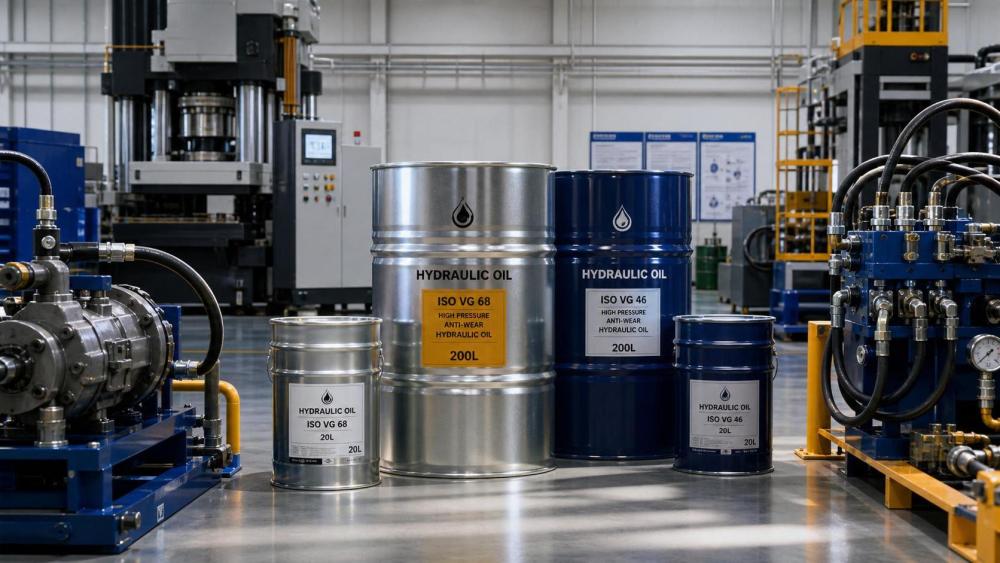
The high-pressure hydraulic oil price affects more than a single purchase order. It also shapes uptime, service intervals, and the risk of unplanned fluid-related failures.
In high-load systems, oil is not just a consumable. It transfers power, protects metal surfaces, controls heat, and supports seal life under demanding pressure cycles.
That is why two similar-looking offers can produce very different total costs. A lower drum price may still lead to shorter drain intervals or more frequent valve wear.
A practical way to read the market is to connect fluid cost with equipment behavior. This is especially useful where pumps, cylinders, motors, and seals work continuously.
PCTS often frames hydraulic topics through total cost of ownership. That perspective is useful here, because the real issue is not only price movement, but buying quality at the right time.
What really moves the high-pressure hydraulic oil price up or down?
The biggest driver is usually the base oil market. When crude-linked feedstocks tighten, the high-pressure hydraulic oil price tends to rise quickly across standard industrial grades.
Additive chemistry is the next major variable. Anti-wear packages, oxidation inhibitors, rust protection, and foam control all add cost, especially for high-pressure applications.
Viscosity grade matters too. ISO VG 32, 46, and 68 may seem close, yet price can shift based on formulation stability, low-temperature flow, and anti-shear performance.
Certification and compliance also influence quotes. Fluids requiring specific OEM approvals, fire resistance, or environmental handling standards usually sit above general-purpose hydraulic oils.
Packaging has a surprising impact. Bulk deliveries often reduce the unit cost, while pails and small drums increase handling, warehousing, and transport expense.
More commonly, supply geography decides the final number. Imported products may carry exchange-rate exposure, freight volatility, lead-time risk, and regional stocking premiums.
A quick price-reading table
Before comparing offers, it helps to separate market factors from technical factors. The table below gives a simple working view.
When is a higher price actually justified?
Not every premium quote is inflated. In many systems, a higher high-pressure hydraulic oil price reflects stronger oxidation resistance and better wear control under heavy cycling.
This becomes important in equipment using piston pumps, servo valves, or tightly toleranced hydraulic components. Cleaner performance can protect precision parts and stabilize response.
A higher-priced oil can also make sense where heat is difficult to control. Better thermal stability often slows varnish formation and reduces deposit-related sticking.
Seal compatibility is another hidden value point. If a formulation works well with common industrial sealing materials, leakage risk and replacement frequency may stay lower over time.
In practical maintenance economics, the question is simple: does the premium reduce downtime, contamination, fluid loss, or component replacement? If yes, the higher price may be rational.
This is where cross-category insight matters. PCTS frequently links hydraulics with seals, bearings, and transmission reliability, which is useful when evaluating fluid decisions beyond the drum price.
How can buying timing improve hydraulic oil cost control?
Timing matters because the high-pressure hydraulic oil price often moves in waves, not in a straight line. Short-term spikes can come from feedstock shifts, freight pressure, or seasonal demand.
A useful approach is to watch three signals together: base oil trends, supplier inventory position, and your own replacement cycle. One signal alone rarely tells the full story.
If maintenance schedules are predictable, forward buying can help. Locking volume before heavy service seasons may reduce exposure to sudden price increases and shipment congestion.
Still, overbuying creates its own risk. Hydraulic oil storage life, contamination control, and warehouse conditions should be checked before increasing stock depth.
More experienced teams compare contract models instead of only unit price. Quarterly review clauses, buffer stock agreements, and delivered-price formulas may offer better stability.
In actual sourcing work, the best buying window is often when market softness overlaps with confirmed maintenance demand. That avoids both panic buying and slow-moving inventory.
Signals worth monitoring before placing volume orders
- Supplier lead times begin extending by one to two weeks.
- Base oil commentary shows sustained upward movement, not a one-week jump.
- Major shutdowns or service campaigns are already scheduled internally.
- Freight costs start rising faster than fluid prices themselves.
- OEM-approved grades show lower local availability than general alternatives.
What mistakes make the high-pressure hydraulic oil price look cheaper than it really is?
The most common mistake is comparing only price per liter. Delivered cost, drain interval, filtration burden, and fluid-related maintenance all change the real number.
Another issue is treating all anti-wear oils as equal. Two products may share a viscosity grade while performing very differently in pressure stability and oxidation control.
There is also the compatibility trap. Switching to a lower-priced product without checking seals, hoses, coatings, and residual oil interaction can introduce avoidable failures.
Short quote validity is easy to overlook. A low number means little if the supplier cannot hold it through approval, internal review, and delivery scheduling.
Sometimes the hidden cost appears later in analysis and cleanliness control. Lower-grade oil may require tighter monitoring because contamination tolerance is reduced in critical systems.
A careful review should include fluid data sheets, batch consistency, packaging condition, and storage handling. Those details often separate a low quote from a dependable supply decision.
How should quotes be compared when applications are not identical?
This is where a structured comparison helps. The high-pressure hydraulic oil price should be matched against operating pressure, pump type, ambient temperature, and duty cycle.
For example, mobile equipment with outdoor exposure may need stronger low-temperature performance. Stationary production lines may care more about oxidation life and varnish resistance.
Systems with servo controls or fine-clearance components usually justify stricter cleanliness and better additive stability. That can shift value toward technically stronger products.
A simple internal comparison sheet can prevent confusion. It keeps price, approval status, technical fit, and delivery conditions in the same decision frame.
So what is the smarter next step before buying?
Start by defining the operating reality, not just the desired unit price. Pressure range, fluid temperature, service interval, and component sensitivity should guide the shortlist.
Then compare the high-pressure hydraulic oil price on a delivered and application-matched basis. That means checking approvals, additive level, packaging, and supply reliability together.
It also helps to review market signals regularly. PCTS is useful in this context because it connects hydraulic systems with seals, MRO planning, and broader industrial component intelligence.
A good decision usually comes from a short checklist, not a rushed quote comparison. When technical fit and timing align, hydraulic oil cost becomes more predictable.
If the next order is approaching, build a simple comparison sheet, verify compatibility, and watch lead-time signals. That creates a more stable buying window and fewer downstream surprises.
Related News
- 00
0000-00
How precision transmission systems improve robot positioning accuracy - 00
0000-00
When welded hydraulic cylinder systems suit high-cycle equipment - 00
0000-00
Building a Conveyor Belt Predictive Maintenance Plan for Dusty Facilities - 00
0000-00
Which Chain Wear Indicators Enable Reliable Predictive Maintenance? - 00
0000-00
Predictive Maintenance for Conveyor Belts: Preventing Failures in High-Throughput Lines
Weekly Insights
Stay ahead with our curated technology reports delivered every Monday.