





Machinery Reliability Engineering for Gearboxes: 7 Failure Risks to Watch
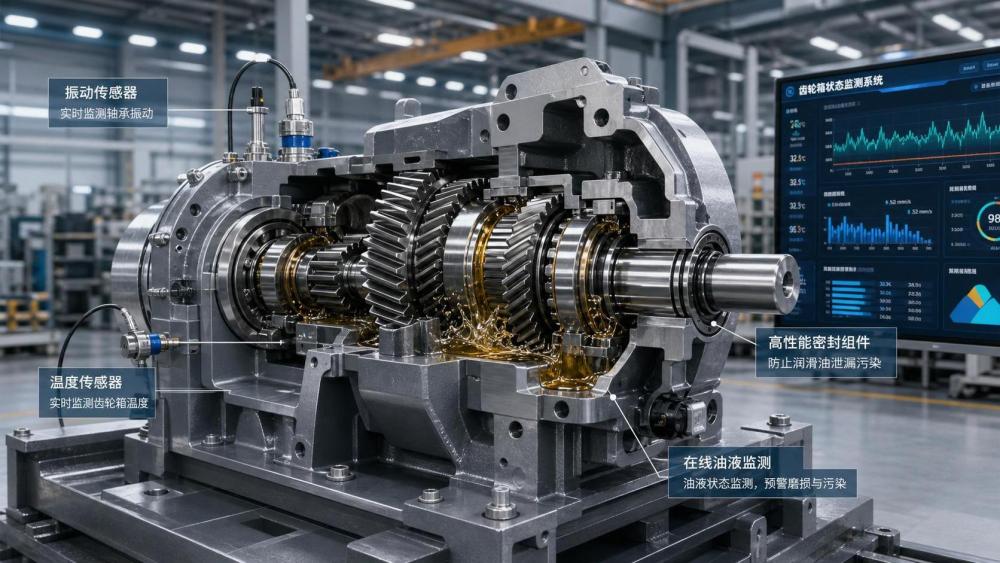
In demanding industrial environments, machinery reliability engineering for gearboxes is essential for reducing downtime, controlling maintenance costs, and protecting equipment performance.
Understanding common failure risks helps improve inspection accuracy, extend service life, and support faster troubleshooting when production pressure is high.
This guide focuses on seven gearbox threats that often develop quietly before they become expensive failures.
For practical machinery reliability engineering for gearboxes, the real goal is simple: detect early signs, act before damage spreads, and shorten recovery time.
Why Gearbox Reliability Fails Faster Than Expected
A gearbox rarely fails because of one single event.
Most failures come from small issues that stack up over time, such as poor lubrication, contamination, overload, misalignment, and weak inspection routines.
That is why machinery reliability engineering for gearboxes must combine condition monitoring, maintenance discipline, and failure pattern analysis.
When teams only react after noise increases or heat spikes, the repair window is already shrinking.
1. Lubrication Breakdown
Lubrication failure remains one of the biggest gearbox risks in machinery reliability engineering for gearboxes.
When oil film strength drops, metal surfaces contact directly, and wear accelerates fast.
Common triggers include wrong viscosity, oxidation, thermal degradation, long drain intervals, and inadequate oil volume.
What to watch
- Rising operating temperature
- Darkened oil or burnt smell
- Foaming, varnish, or sludge
- Increased vibration around loaded stages
Practical response
Check lubricant grade against load, speed, and ambient temperature.
Use oil analysis to trend viscosity, particle count, water content, and wear metals.
In real maintenance work, this is often the fastest way to catch hidden gearbox distress.
2. Particle and Moisture Contamination
Contamination is a direct threat to machinery reliability engineering for gearboxes, especially in dusty, wet, or washdown environments.
Hard particles scratch tooth flanks and bearings.
Moisture reduces lubricant performance, promotes corrosion, and weakens additive packages.
Typical entry points
- Damaged seals and breathers
- Poor storage of replacement oil
- Open fill ports during service
- Condensation during thermal cycling
A cleaner lubrication process usually delivers a quick reliability gain without major capital spending.
3. Gear Tooth Surface Fatigue
Pitting, micropitting, and scuffing are classic warning signs in machinery reliability engineering for gearboxes.
These problems usually start at the surface, but they can quickly affect load distribution and mesh stability.
More obvious signals include recurring vibration peaks, oil debris, and a change in gearbox sound under load.
Why it happens
Surface fatigue often links back to inadequate lubrication, poor alignment, overload, or unsuitable gear geometry for the duty cycle.
During inspections, compare wear patterns across teeth instead of focusing on one damaged spot.
That broader pattern tells you whether the issue is local damage or a system-level reliability problem.
4. Bearing Damage Inside the Gearbox
Many gearbox failures are actually bearing failures first.
For machinery reliability engineering for gearboxes, bearing condition deserves the same attention as gear mesh condition.
Spalling, false brinelling, smearing, and cage damage can all upset shaft stability and trigger secondary gear damage.
Useful inspection clues
- High-frequency vibration signatures
- Local heat near bearing locations
- Axial movement outside normal limits
- Metal particles in drained oil or filters
When bearing damage is found, investigate root causes before replacement, or the same failure can return surprisingly fast.
5. Misalignment and Assembly Error
Misalignment is easy to underestimate because the gearbox may still run for a while.
Yet in machinery reliability engineering for gearboxes, misalignment steadily increases load concentration, vibration, and seal stress.
It can come from base distortion, soft foot, poor coupling setup, thermal growth, or incorrect internal assembly.
Where teams lose time
A replaced seal or bearing may appear to solve the problem, but the root issue remains alignment error.
Laser alignment, housing checks, and torque verification usually reveal more than visual inspection alone.
6. Overload, Shock Load, and Duty Cycle Drift
Operating conditions often change faster than maintenance assumptions.
That is a growing issue in machinery reliability engineering for gearboxes, especially where throughput targets keep rising.
Frequent starts, jam events, torque spikes, or heavier product loads can exceed original gearbox design margins.
Red flags
- Repeated tooth edge damage
- Short bearing life after changeouts
- Unexpected motor current peaks
- Heat rise during production surges
Review actual duty conditions against design ratings, not just nameplate assumptions.
This step often explains why gearbox failures repeat despite regular service.
7. Weak Monitoring and Delayed Response
The last risk in machinery reliability engineering for gearboxes is organizational, but it causes real mechanical damage.
When inspection intervals are too long, alarm limits are unclear, or findings are not trended, early warning value is lost.
A noisy gearbox rarely fails without leaving clues first.
The problem is usually that those clues were missed, ignored, or not linked together soon enough.
A Practical Reliability Checklist
To strengthen machinery reliability engineering for gearboxes, keep the routine focused and repeatable.
How to Turn Findings Into Faster Action
Good machinery reliability engineering for gearboxes depends on response speed as much as diagnostic skill.
A useful field process is straightforward.
- Confirm the symptom under actual operating load.
- Check oil condition, temperature, and leak points first.
- Compare vibration and sound against previous records.
- Look for alignment, mounting, or load changes.
- Decide whether the issue is safe to trend or needs shutdown.
This kind of discipline reduces guesswork and keeps repair decisions tied to evidence.
Closing Perspective
Machinery reliability engineering for gearboxes works best when early signs are treated as decision points, not background noise.
The seven risks above are common, but they are also manageable with better inspection habits, cleaner lubrication control, and tighter failure analysis.
Start with the highest-repeat failure mode in your site, build a simple monitoring baseline, and refine the response plan around real gearbox behavior.
That is usually where reliability improvement becomes visible fastest.
Want to dive deeper into these market dynamics, or need data-driven support for your next business move? Drop a line below and let the analysts at PCTS provide customized insights.
We respect your privacy. Your information is strictly confidential.
Related News
- 00
0000-00
How to check vibration analysis software for sensor compatibility - 00
0000-00
IndexBox Forecasts 3.8% Annual Growth for Global Radial Seals Market Through 2035 - 00
0000-00
How to assess the chemical compatibility of FFKM sealing sheets - 00
0000-00
IndexBox Forecasts 3.6% Annual Growth for Construction Bearings Market - 00
0000-00
When do hydraulic components require an export license?
Weekly Insights
Stay ahead with our curated technology reports delivered every Monday.