





Seal Failure Prevention Methods That Reduce Unplanned Downtime
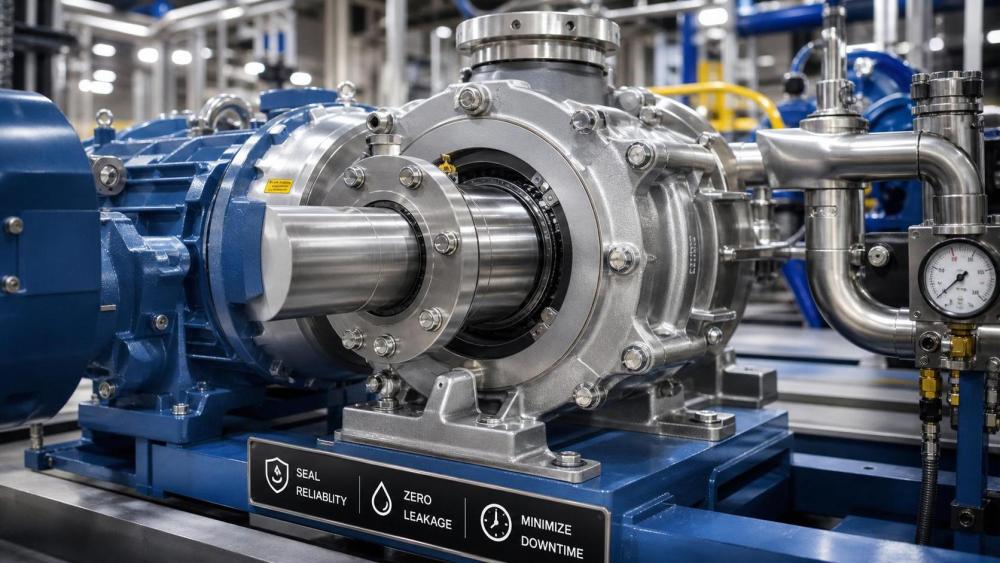
For aftermarket maintenance teams, unexpected seal failure can quickly turn into costly downtime, product loss, and emergency repair work.
Understanding practical seal failure prevention methods is essential for improving equipment reliability, extending service intervals, and reducing maintenance costs.
This guide explains why seals fail, what warning signs matter, and which actions deliver the biggest reliability gains.
In real operations, good seal failure prevention methods are rarely complicated.
They depend on correct selection, clean installation, stable operating conditions, and disciplined inspection routines.
When those basics are managed well, leakage events and surprise shutdowns usually drop fast.
Why Seal Failures Trigger More Than Leakage
A failed seal does more than let fluid escape.
It can pull dirt into housings, damage shafts, contaminate product, and overload nearby bearings or hydraulic components.
That is why seal failure prevention methods should be treated as a reliability strategy, not a minor repair topic.
In pumps, gearboxes, cylinders, mixers, conveyors, and compressors, a small sealing defect often becomes a system-level problem.
The longer it stays unnoticed, the higher the total cost of ownership becomes.
Common business impact
- Unplanned downtime and urgent labor callouts
- Lost lubricant, hydraulic fluid, or process media
- Higher spare parts consumption
- Product quality risk and housekeeping issues
- Premature damage to shafts, sleeves, and bearings
This also means preventive action pays back in several ways, not only through reduced leakage.
The Main Causes Behind Seal Failure
Effective seal failure prevention methods begin with accurate failure analysis.
If the root cause is missed, replacements only repeat the same breakdown cycle.
1. Wrong material selection
Many failures start with material mismatch.
A seal may face heat, pressure spikes, aggressive chemicals, dry running, or abrasive media beyond its design limit.
Swelling, hardening, cracking, and loss of elasticity are typical outcomes.
2. Poor installation practice
Even a high-quality seal can fail on day one if it is nicked, twisted, overstretched, or installed on a damaged shaft.
Sharp edges, incorrect tools, and lack of lubrication during fitting are common triggers.
3. Contamination
Dust, metal particles, process residue, and water shorten seal life quickly.
Contaminants scratch sealing surfaces and disturb lubrication films.
4. Shaft and housing condition
Runout, misalignment, rough surface finish, and worn sleeves create unstable contact conditions.
That increases friction and accelerates lip or face wear.
5. Operating conditions outside design range
Pressure cycling, excessive speed, thermal shock, and vibration often push seals beyond stable working limits.
More importantly, these conditions usually worsen gradually, so failures appear sudden only at the end.
Seal Failure Prevention Methods That Work in Daily Maintenance
The most practical seal failure prevention methods fit into normal maintenance routines.
They do not require complicated programs, but they do require consistency.
Match seal material to the real application
Review actual media, peak temperature, pressure range, shaft speed, and cleaning chemicals before ordering replacements.
Do not rely only on old part numbers.
Process changes often make legacy seals unsuitable.
Standardize installation steps
Use installation sleeves, clean tools, approved lubricants, and visual checks before assembly.
A simple installation checklist prevents many repeat failures.
Control contamination at the source
Keep storage areas sealed, clean shafts before fitting, and inspect breathers, filters, and covers.
Good housekeeping is one of the lowest-cost seal failure prevention methods available.
Check mating surfaces during every intervention
Inspect shaft finish, wear tracks, grooves, eccentricity, and housing damage before fitting a new seal.
Replacing the seal without correcting the surface only delays the next leak.
Monitor heat, vibration, and pressure trends
A seal problem often starts elsewhere in the machine.
Rising temperature, abnormal vibration, and unstable pressure should trigger inspection before leakage becomes visible.
How to Spot Early Warning Signs Before a Seal Fails
Some of the best seal failure prevention methods are based on early detection.
Small changes usually appear before complete loss of sealing performance.
Watch for these field signals
- Light fluid staining around the housing
- Dust sticking to oily surfaces
- Repeated topping up of lubricant or hydraulic fluid
- Temperature increase near the seal location
- Noise or vibration changes after startup
- Visible lip wear, cracks, or hardening during inspection
When these symptoms are recorded early, repair work can be planned instead of rushed.
Practical Inspection Schedule for Better Seal Reliability
Inspection frequency should match equipment criticality, operating hours, and failure history.
Still, a simple structure works well across many sites.
This kind of schedule turns seal failure prevention methods into routine behavior rather than emergency response.
When It Makes Sense to Upgrade the Seal Design
Sometimes maintenance discipline alone is not enough.
Repeated failures may point to a design mismatch.
That is where stronger seal failure prevention methods involve specification upgrades.
Consider an upgrade when
- The application now runs hotter or faster than before
- Chemical exposure has changed
- Pressure spikes are frequent
- Dry running cannot be fully avoided
- Seal life remains short after installation quality improves
In these cases, reviewing seal geometry, material grade, spring design, or auxiliary protection features can reduce repeat downtime.
A Practical Action Plan for Reducing Seal-Related Downtime
The most effective seal failure prevention methods are simple enough to repeat across teams and shifts.
A practical action plan usually includes five steps.
- Record every seal failure with location, runtime, media, and visible damage pattern.
- Review whether the part specification still matches current operating conditions.
- Standardize installation tools, lubrication, and handling instructions.
- Add early warning checks to normal inspections and shift handovers.
- Use repeat failures to trigger root cause analysis, not just replacement.
Over time, these seal failure prevention methods improve reliability, support better spare planning, and reduce rushed maintenance work.
More importantly, they help keep pumps, cylinders, gearboxes, and rotating equipment available when production needs them most.
Start with the most frequent leak points, apply the same inspection logic consistently, and build decisions on actual failure evidence.
Want to dive deeper into these market dynamics, or need data-driven support for your next business move? Drop a line below and let the analysts at PCTS provide customized insights.
We respect your privacy. Your information is strictly confidential.
Related News
- 00
0000-00
How sealing technology reduces contamination in semiconductor manufacturing - 00
0000-00
Where to install vibration sensors on rotating machinery - 00
0000-00
NTSB Probe Finds Boeing Warned of MD-11 Engine Bearing Risk Years Earlier - 00
0000-00
How to size pneumatic grippers for packaging system integration - 00
0000-00
How to size alloy steel power transmission chains for heavy loads
Weekly Insights
Stay ahead with our curated technology reports delivered every Monday.