





Why do high temperature sealing materials fail so often in real equipment?
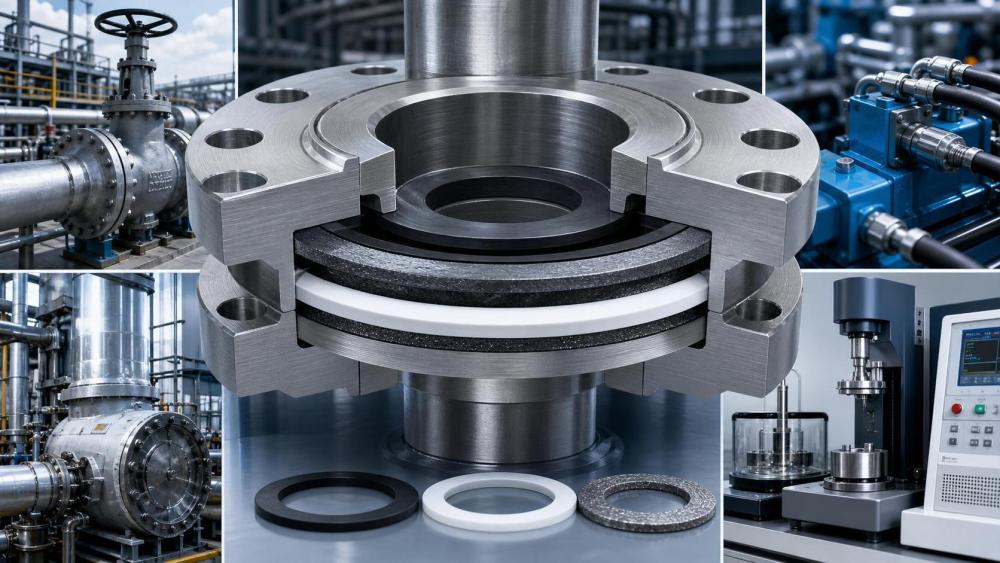
High temperature sealing materials sit at the edge of heat, pressure, motion, and chemistry. That combination is why small material mistakes turn into major leaks.
In many plants, the seal itself gets blamed first. In practice, the failure usually starts with a mismatch between material limits and operating reality.
A seal may see temperature spikes, not just nominal temperature. It may also face steam, hot oil, solvents, dry running, pressure pulses, or shaft movement.
That is why high temperature sealing materials should be judged as part of a system. Housing finish, groove design, compression, lubrication, and media all matter.
Across bearings, hydraulic units, pneumatic devices, transmission assemblies, and industrial MRO work, sealing reliability affects uptime more than many teams expect.
PCTS often frames this issue in a broader equipment context. A hot seal problem is rarely isolated from friction, wear, contamination control, or maintenance cost.
What are the most common failure signs to watch before a shutdown happens?
The earlier question is not only why seals fail. It is also how failure starts to show up before leakage becomes obvious.
Hardening is one of the most common warning signs. Elastomers lose flexibility under prolonged heat, then stop following surface movement or pressure changes.
Cracking usually comes next. Once the material becomes brittle, thermal cycling and vibration create small surface fractures that grow during operation.
Extrusion is different. It happens when pressure forces softened material into clearance gaps, especially if the seal compound has poor high-temperature strength.
Chemical attack can look less dramatic at first. Swelling, softening, shrinkage, or discoloration may appear before sealing force collapses.
Compression set is another common issue. The seal stays flattened after load and no longer rebounds, which is especially risky in static joints exposed to heat.
When teams inspect failed high temperature sealing materials, they usually find one of these patterns:
- Surface glazed or shiny from overheating
- Edges nibbled or torn from extrusion
- Cross-section permanently flattened
- Material swollen after media exposure
- Fine radial cracks after repeated thermal cycling
A quick comparison table helps separate these symptoms before changing materials blindly.
Are standard elastomers enough, or is a better material really necessary?
Sometimes standard elastomers work well. The problem appears when operating conditions move beyond what the data sheet assumes.
NBR is widely used, but heat resistance is limited. It may be suitable for moderate oil service, yet it ages quickly at elevated temperatures.
FKM is a common upgrade for high temperature sealing materials. It handles heat and many oils better, but not every FKM grade performs equally.
FFKM is often selected when both heat and aggressive chemicals are severe. It is expensive, but failure cost can make it the practical choice.
PTFE is not an elastomer, yet it remains one of the better options for chemical resistance and high temperatures, especially with proper seal design.
Graphite, metal-backed seals, and composite solutions also deserve attention in furnaces, exhaust systems, hot process equipment, and aggressive sealing zones.
A better material is necessary when failure repeats after installation quality has already been verified. Replacing the same grade again usually repeats the same result.
The more useful question is not which material is strongest. It is which high temperature sealing materials fit your exact heat, media, and motion profile.
How should high temperature sealing materials be selected for different applications?
Selection becomes easier when you stop looking at temperature alone. Heat is only one input, even though it usually gets the most attention.
Start with the real service window. Include startup peaks, shutdown cooling, upset conditions, and cleaning cycles. Short spikes may matter more than average readings.
Then confirm the media. Hot hydraulic oil, steam, compressed air, refrigerants, solvents, and corrosive fluids damage materials in very different ways.
Dynamic seals need attention to friction, wear, and lubrication. Static seals care more about compression set, flange loading, and long heat exposure.
In actual maintenance work, this short checklist prevents many wrong choices:
- Maximum continuous temperature and short-term peak temperature
- Pressure level and pressure cycling frequency
- Static or dynamic sealing condition
- Chemical exposure, including washdown or cleaning media
- Shaft speed, surface finish, and hardware clearances
- Expected service interval and shutdown cost
PCTS content often links sealing selection with total equipment behavior. That matters because seal life influences contamination, bearing health, and fluid system stability.
For example, a hot hydraulic cylinder may need a different material strategy than a dry oven door or a chemical pump casing.
What mistakes make high temperature sealing materials look worse than they are?
One common mistake is trusting catalog temperature ratings without checking the test conditions behind them. Air, oil, steam, and vacuum can change performance dramatically.
Another mistake is ignoring gland design. Even premium high temperature sealing materials fail early if squeeze, stretch, and clearance are wrong.
Contamination also causes confusion. Abrasive particles, varnish, and degraded fluid can cut or burn sealing surfaces, then the material gets blamed.
Installation damage remains a frequent issue. Twisting an O-ring, scratching a lip, or using the wrong lubricant can shorten life before startup.
There is also a cost mistake. Choosing the cheapest compound may lower purchase price while increasing leakage, unplanned stoppage, and replacement frequency.
A more balanced view compares material price against maintenance labor, lost production, fluid loss, and adjacent component damage.
When is the upgrade worth it, and what should be reviewed next?
An upgrade is usually worth it when the same seal fails in a predictable pattern, especially during heat peaks or chemical cleaning cycles.
It is also worth reviewing when leakage creates secondary losses. A failed seal can contaminate bearings, reduce pressure stability, and increase wear in connected systems.
Before changing material, collect a few practical facts. That step saves time and makes supplier discussions more precise.
- Record actual operating temperature, not only nominal design temperature
- Note media composition and cleaning chemicals
- Inspect failed seals for hardening, swelling, cracks, or extrusion marks
- Review groove dimensions, clearance gaps, and mating surface condition
- Compare expected service life with real replacement interval
That information supports a better decision on FKM, FFKM, PTFE, graphite, or another engineered option for high temperature sealing materials.
The main point is simple. Reliable sealing under heat is not about chasing the most advanced material. It is about matching material behavior to actual operating stress.
If failures continue, review the seal together with the whole assembly. In demanding equipment, that wider view usually reveals the better option faster.
Related News
- 00
0000-00
Where are axial piston pumps used in mining equipment? - 00
0000-00
Embodied AI Robotics and Drive Control Forum Held in Shanghai - 00
0000-00
How does seal service life affect the total cost of ownership? - 00
0000-00
Schaeffler to Cut 3,460 Jobs and Close Five European Plants - 00
0000-00
How does system size affect the price of a belt drive system?
Weekly Insights
Stay ahead with our curated technology reports delivered every Monday.