





On July 3, 2026, the revised UL 1998:2026 standard took effect with a new mandatory requirement for smart sensor bearings that integrate vibration or temperature sensing. For exporters, OEM suppliers, certification teams, and buyers tied to North American industrial automation, wind power maintenance, and robotics supply chains, this is not just a standards update. It changes the practical entry requirements for product approval, testing scope, and delivery planning, especially where whole-machine EMC retesting is now part of the export path for Chinese manufacturers.
What the Revision Formally Requires
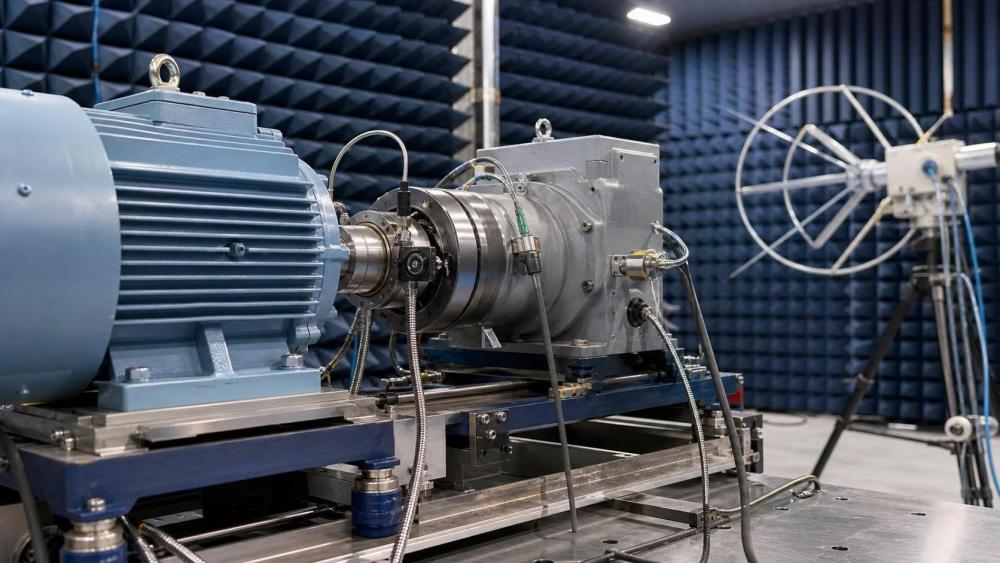
According to the provided information, UL put the revised UL 1998:2026 into force on July 3, 2026. The revision adds Section 8.7, which makes enhanced EMC immunity testing mandatory for Smart Sensor Bearings that include vibration and temperature sensing functions. The required test basis is IEC 61000-4-3/4-6 Level 3.
The same information states that products without certification under the revised standard will not be able to enter North American OEM supply chains in industrial automation, wind power operations and maintenance, and robotics. It also states that Chinese manufacturers must complete whole-machine EMC retesting before export, with the cycle extended by two to three weeks.
Where the New Requirement Will Be Felt First
Export suppliers now face a tighter market-entry checkpoint
Companies shipping smart sensor bearings to North America may be affected first because the rule change is tied directly to certification status and supply-chain access. The business impact is likely to appear in export qualification review, shipment readiness, and customer acceptance documents. What deserves closer attention is whether existing product files, certification references, and test records still match buyer requirements after the revised standard has taken effect.
Manufacturing and integration teams must account for whole-machine retesting
Manufacturers are likely to feel the change not only at the component level but also at the integration stage, because the provided information specifically refers to whole-machine EMC retesting before export for Chinese manufacturers. From an industry perspective, this can affect production release timing, sample validation, and final delivery scheduling. Teams handling technical documentation and compliance sign-off will need to pay closer attention to whether current test coverage is sufficient for integrated products.
OEM buyers and procurement functions may tighten supplier screening
Buyers in industrial automation, wind power maintenance, and robotics OEM channels may be affected through sourcing and supplier approval processes. The reason is straightforward: products that do not meet the revised certification condition cannot enter the relevant supply chains described in the provided information. In practice, procurement and supplier management teams may need to focus more closely on certification status, EMC test evidence, and whether bid or purchasing documents need to reflect the revised requirement.
Testing and certification service providers may see workflow pressure
Certification-related companies and testing service providers may also be affected because the revised standard introduces a mandatory testing condition and the export process now includes whole-machine EMC retesting for the affected Chinese manufacturers. Observably, the immediate operational pressure is less about market messaging and more about scheduling, document review, and consistency between certification scope and delivered product configuration.
What Companies Should Review Now
Check whether affected products fall within the revised scope
Companies should first review whether their products are smart sensor bearings with integrated vibration or temperature sensing functions, because that is the product description stated in the provided information. Analysis shows this scope check is the starting point for any compliance decision, especially for exporters and OEM suppliers with mixed product portfolios.
Reassess certification files and EMC test documentation
Businesses already supplying the relevant markets should review certification status against the revised UL 1998:2026 requirement and confirm whether EMC immunity evidence aligns with IEC 61000-4-3/4-6 Level 3 as stated in the event summary. If current documents, reports, or technical files were prepared under an earlier basis, that gap may become a practical issue in customer review, shipment approval, or bid qualification.
Adjust lead-time planning around the added retest cycle
The provided information states that Chinese manufacturers will need whole-machine EMC retesting before export and that the cycle will be extended by two to three weeks. Companies involved in production scheduling, delivery commitments, and procurement planning should therefore treat compliance timing as a live operational issue. It is more appropriate to understand this as a delivery-planning adjustment that needs to be tracked closely, rather than as a paperwork-only update.
Watch for downstream changes in buyer documents and execution practice
The input does not provide detailed implementation language beyond the effective date and the new mandatory requirement. For that reason, companies should continue monitoring how the revised standard is reflected in customer specifications, tender documents, supplier qualification criteria, and certification review practice. This remains a point of attention rather than a confirmed uniform market outcome.
Why This Looks Like an Execution Signal, Not a Distant Policy Trend
Analysis shows this development is better understood as a rule already in force rather than an early consultation signal. The effective date is explicit, the testing requirement is explicit, and the supply-chain consequence for products without revised certification is explicit in the provided information. At the same time, observably, some practical details still need continued verification through market execution, especially around document handling, customer interpretation, and how consistently procurement channels apply the revised requirement.
From an industry perspective, the most important point is not simply that EMC standards have become stricter. The more immediate implication is that smart sensor bearings are being treated as products whose compliance pathway must account for both sensing functionality and system-level electromagnetic performance before export clearance and supply-chain acceptance can proceed smoothly.
How This Update Is Best Understood at This Stage
At this stage, the UL 1998:2026 revision is best understood as a concrete compliance threshold for smart sensor bearing exports into the specified North American supply chains named in the provided information. The confirmed change is already in effect, and the practical consequences are centered on certification access, whole-machine EMC retesting, and lead-time pressure. A measured reading is still necessary: the rule change is real and immediate, while the full market response, document updates, and execution consistency still require observation.
Basis of This Article and What Still Needs Verification
This article is generated solely from the user-provided news title, event date, and event summary. For developments of this type, relevant source categories typically include official notices, regulatory or supervisory releases, trade or customs authority information, industry association updates, standard organization documents, certification body publications, and reporting by established professional media.
No specific official source link was provided in the input, so the underlying official publication path still needs to be verified on an ongoing basis. What also requires continued observation includes any further implementation detail, certification interpretation, changes in tender or procurement documents, industry feedback, and how affected companies execute the new requirement in practice.
Want to dive deeper into these market dynamics, or need data-driven support for your next business move? Drop a line below and let the analysts at PCTS provide customized insights.
We respect your privacy. Your information is strictly confidential.
Related News
- 00
0000-00
How sealing technology reduces contamination in semiconductor manufacturing - 00
0000-00
Where to install vibration sensors on rotating machinery - 00
0000-00
NTSB Probe Finds Boeing Warned of MD-11 Engine Bearing Risk Years Earlier - 00
0000-00
How to size pneumatic grippers for packaging system integration - 00
0000-00
How to size alloy steel power transmission chains for heavy loads
Weekly Insights
Stay ahead with our curated technology reports delivered every Monday.