





On July 7, 2026, TUV Rheinland put PV 9002:2026 into effect for wind turbine smart sensor bearings, turning several digital-performance items into mandatory type-certification requirements. The change matters beyond product design: it directly touches export compliance, project procurement access, technical documentation, and delivery planning for bearing suppliers, wind equipment manufacturers, certification teams, and developers preparing new projects from Q3 2026.
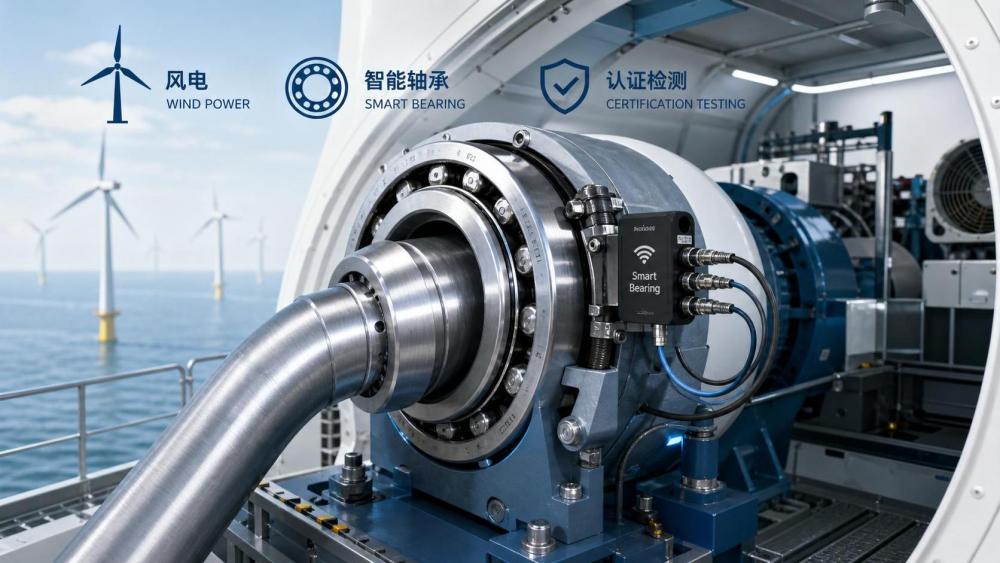
What PV 9002:2026 Now Requires
According to the information provided, TUV Rheinland formally implemented PV 9002:2026 on July 7, 2026. The standard brings edge data integrity, wireless transmission anti-interference performance, and vibration-temperature coupled diagnostic algorithms for Smart Sensor Bearings into the scope of mandatory type certification for the first time.
The same information states that major wind power developers including Denmark-based Orsted and Spain-based Iberdrola have treated this standard as a procurement entry requirement for new projects starting in Q3 2026. It also states that Chinese exporters of smart bearings need to complete certification upgrades within three months.
Where the Immediate Pressure Will Appear
Export-facing bearing suppliers may face a shortened compliance window
From an industry perspective, the most direct impact falls on companies shipping smart bearings into wind projects that reference type certification as a precondition for market access. The issue is not only whether a bearing can be supplied, but whether its certification scope, test evidence, and technical file align with the new mandatory items before purchase decisions are finalized.
Project procurement teams will likely move certification checks earlier
Analysis shows that once developers use PV 9002:2026 as an entry requirement, procurement review may shift upstream into supplier qualification and bid evaluation. What deserves closer attention is the practical link between certification status and tender documentation, because suppliers may need to present updated certificates, test reports, or technical statements before award or delivery milestones can proceed smoothly.
Manufacturers and integrators may need to revisit product-definition documents
For manufacturers and system integrators, the rule change may affect specification alignment, model configuration, and technical acceptance language. The newly mandatory focus on data integrity, wireless anti-interference, and coupled diagnostic algorithms means product claims that were previously treated more as performance features may now need to be framed as certifiable compliance items in product files and customer-facing documents.
Testing and certification workflows could become a delivery bottleneck
Observably, the three-month upgrade requirement mentioned for Chinese exporters creates pressure on certification scheduling and submission readiness. Companies involved in testing, certification coordination, and compliance support should pay close attention to documentation completeness, sample readiness, and any customer deadlines tied to Q3 2026 project procurement.
What Companies Should Review Now
Check whether existing certificates still match procurement language
Companies supplying smart sensor bearings should review whether current type-certification coverage explicitly addresses the newly mandatory items under PV 9002:2026. This is especially relevant where sales teams are already responding to new-project tenders or qualification requests.
Reconcile technical files with the new mandatory scope
What deserves closer attention is the internal consistency between product specifications, test materials, algorithm descriptions, and certification submissions. If customer procurement thresholds now reference the updated standard, any mismatch between technical documents and certification language may create avoidable delays in qualification or delivery.
Watch tender documents and customer qualification notices closely
The provided information already indicates that leading developers are using the standard as a procurement gate from Q3 2026. Companies should therefore monitor whether customer bidding documents, supplier onboarding forms, or quality clauses begin to reflect the updated requirement more explicitly. Where execution details are not yet public, this remains a point for continued verification rather than a settled procedural outcome.
Factor certification timing into export and delivery planning
Analysis shows that the issue is not only technical compliance but also timing risk. Exporters, contract managers, and after-sales teams should pay attention to whether certification upgrades affect shipment readiness, acceptance documents, traceability records, or post-delivery quality discussions tied to project qualification.
Why This Looks Like an Execution Signal
Observably, this development is more than a routine standards update because it links a formal certification change with named procurement access consequences in new wind projects. It is more appropriate to understand this as an execution signal already entering commercial practice, rather than as a distant policy trend. At the same time, the market still needs to watch how certification interpretation, tender wording, and supplier acceptance criteria are applied in actual project workflows.
How the Market Should Read This Stage
At this stage, the clearest takeaway is that smart-bearing compliance in wind power is moving closer to procurement enforcement. The confirmed facts do not yet establish every downstream execution detail, but they do show that certification scope, bid access, and delivery readiness are becoming more tightly connected. For affected companies, this is best understood as a live compliance adjustment with immediate commercial relevance, while some practical implementation details still require observation.
Basis of This Article and What Still Needs Verification
This article is based on the user-provided title, event date, and event summary. For developments of this kind, relevant source categories typically include official announcements, regulatory releases, trade or customs authority information, industry association notices, standards organization documents, certification body publications, procurement documents, and reporting by established industry media.
No specific official source link was provided in the input, so the exact official reference link remains to be verified. Follow-up monitoring is still needed on detailed certification interpretation, execution thresholds in procurement documents, supplier qualification practice, market feedback, and how affected companies complete the required certification upgrade within the stated timeframe.
Want to dive deeper into these market dynamics, or need data-driven support for your next business move? Drop a line below and let the analysts at PCTS provide customized insights.
We respect your privacy. Your information is strictly confidential.
Related News
- 00
0000-00
How sealing technology reduces contamination in semiconductor manufacturing - 00
0000-00
Where to install vibration sensors on rotating machinery - 00
0000-00
NTSB Probe Finds Boeing Warned of MD-11 Engine Bearing Risk Years Earlier - 00
0000-00
How to size pneumatic grippers for packaging system integration - 00
0000-00
How to size alloy steel power transmission chains for heavy loads
Weekly Insights
Stay ahead with our curated technology reports delivered every Monday.