





Choosing hot rolling mill belts is rarely a simple matter of matching size and tensile rating. In rolling environments, belts face radiant heat, scale, shock loading, speed variation, and nonstop duty cycles. What matters most is whether the belt can stay dimensionally stable, carry load without slip, and maintain predictable wear under real mill conditions.
That is why hot rolling mill belts deserve closer evaluation across the wider transmission system. On platforms such as PCTS, belts are assessed alongside bearings, couplings, seals, lubrication practice, and MRO planning, because heat and load stability depend on the whole operating chain, not on one component in isolation.
What heat and load stability really mean in rolling service
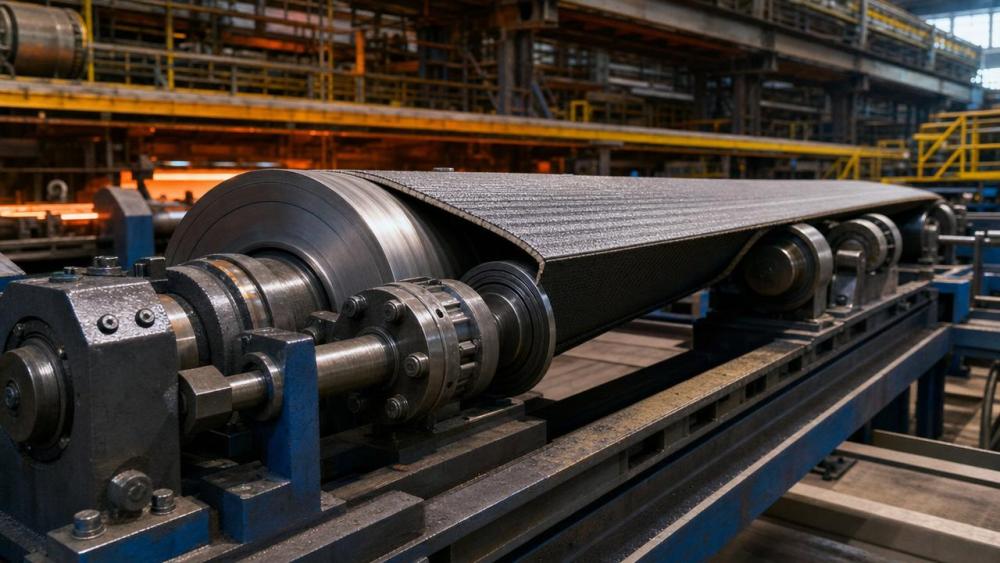
In this context, heat stability means the belt keeps its structure, grip, and tracking behavior when exposed to elevated temperatures for extended periods.
Load stability means the belt can transmit force through changing torque peaks, startup shock, and uneven strip conditions without excessive stretch or sudden loss of traction.
For hot rolling mill belts, these two requirements are tightly linked. Heat accelerates material aging, while fluctuating load magnifies fatigue, edge damage, and tension loss.
A belt that performs well in a general industrial drive may fail early in a mill if its cover compound hardens, its carcass creeps, or its friction behavior changes after repeated thermal cycling.
Why the industry pays more attention to belt selection now
Rolling lines are being pushed for higher uptime, tighter thickness control, and lower maintenance disruption. That makes transmission consistency more valuable than before.
At the same time, energy costs and spare parts costs are under scrutiny. A poorly selected belt does not only fail sooner. It can also increase slippage, generate heat, overload adjacent bearings, and create unstable operating windows.
Another factor is maintenance economics. Many plants now judge components by lifecycle cost, replacement frequency, and fault predictability rather than by initial price alone.
This is where the PCTS perspective is useful. Belt performance is more meaningful when connected to tribology, condition monitoring, sealing reliability, and spare parts strategy across the line.
The material and construction factors that drive performance
When reviewing hot rolling mill belts, material selection should come before brand comparison. The belt compound, reinforcement, and surface design shape how the product reacts to heat and force.
Thermal resistance of the belt body
The base material must tolerate both continuous and peak temperatures. Short heat spikes may be survivable, but long exposure often determines service life.
A useful evaluation point is whether the material keeps flexibility and adhesion after repeated thermal cycles. Hardening, cracking, and layer separation are early warning signs.
Reinforcement and elongation control
Cord or fabric reinforcement affects stretch behavior, tracking, and tension retention. In hot rolling mill belts, low and predictable elongation is usually more valuable than headline tensile strength.
If elongation drifts after heating, alignment changes follow. That can affect speed consistency and contact pressure across driven surfaces.
Surface friction and wear behavior
The surface must balance grip and durability. Too little friction causes slip. Too much friction may accelerate wear, trap debris, or increase energy loss.
In mills where scale, coolant residue, or dust are present, the actual friction window matters more than laboratory values alone.
Operating conditions should guide belt choice
The same category of hot rolling mill belts may behave very differently depending on line layout and process rhythm. Selection improves when the operating profile is clearly mapped.
This approach avoids a common mistake: buying hot rolling mill belts by catalog category while ignoring how the line actually starts, stops, loads, and overheats.
Where belt problems usually begin
Failures often appear as belt issues, but the root cause may sit elsewhere in the transmission path.
- Misaligned pulleys increase edge wear and tracking instability.
- Incorrect tension creates slip, extra heat, and accelerated carcass fatigue.
- Worn bearings or couplings introduce vibration and nonuniform loading.
- Poor guarding or sealing allows scale and debris to damage belt surfaces.
- Inconsistent maintenance records hide recurring thermal overload patterns.
That broader view matters in industrial MRO. A stable belt cannot compensate for unstable support components forever.
For this reason, hot rolling mill belts should be reviewed with adjacent components, especially bearings, drive shafts, seals, and monitoring points.
A practical evaluation framework for comparing options
A useful comparison starts with operating evidence, not supplier claims. Temperature history, duty cycle, torque fluctuation, and previous failure mode should be documented first.
Questions worth asking during evaluation
- What is the continuous temperature, and how often do peak spikes occur?
- Is failure driven by slip, edge cracking, elongation, cover wear, or splice damage?
- How stable is pulley alignment during heat expansion?
- Does the line run at constant load or frequent transient overload?
- Which maintenance indicators are already tracked, and which are missing?
What stronger suppliers should be able to show
Reliable suppliers of hot rolling mill belts usually provide more than a temperature rating. They can explain compound behavior, elongation limits, joining recommendations, and expected wear patterns under comparable duty.
That technical transparency supports better risk control, especially when procurement decisions must align with uptime targets and replacement planning.
Application value beyond the belt itself
Well-chosen hot rolling mill belts contribute to more than power transfer. They can improve process consistency, reduce unplanned stoppages, and make maintenance windows easier to predict.
In operations where every interruption affects throughput, stable belt behavior helps preserve line rhythm and reduces secondary stress on connected parts.
This is also why technical content platforms such as PCTS matter in sourcing decisions. Belt selection gains value when it is connected to component interaction, condition signals, and total cost of ownership rather than treated as a stand-alone purchase.
What to do next before final selection
Before approving any replacement or new specification, build a short decision sheet for the line. Include temperature profile, load pattern, contamination level, speed range, failure history, and maintenance constraints.
Then compare hot rolling mill belts against those real conditions, not only against nominal ratings. If possible, review the belt together with bearing condition, alignment data, and tension practice.
That process usually leads to clearer trade-offs: whether the priority is longer life, better grip stability, lower stretch, easier servicing, or reduced shutdown risk.
A disciplined evaluation does not make selection slower. It makes the result easier to defend, easier to monitor, and far more likely to remain stable under heat and load.
Want to dive deeper into these market dynamics, or need data-driven support for your next business move? Drop a line below and let the analysts at PCTS provide customized insights.
We respect your privacy. Your information is strictly confidential.
Related News
- 00
0000-00
How sealing technology reduces contamination in semiconductor manufacturing - 00
0000-00
Where to install vibration sensors on rotating machinery - 00
0000-00
NTSB Probe Finds Boeing Warned of MD-11 Engine Bearing Risk Years Earlier - 00
0000-00
How to size pneumatic grippers for packaging system integration - 00
0000-00
How to size alloy steel power transmission chains for heavy loads
Weekly Insights
Stay ahead with our curated technology reports delivered every Monday.