





Machinery Reliability Engineering for Conveyors: Reducing Unplanned Downtime
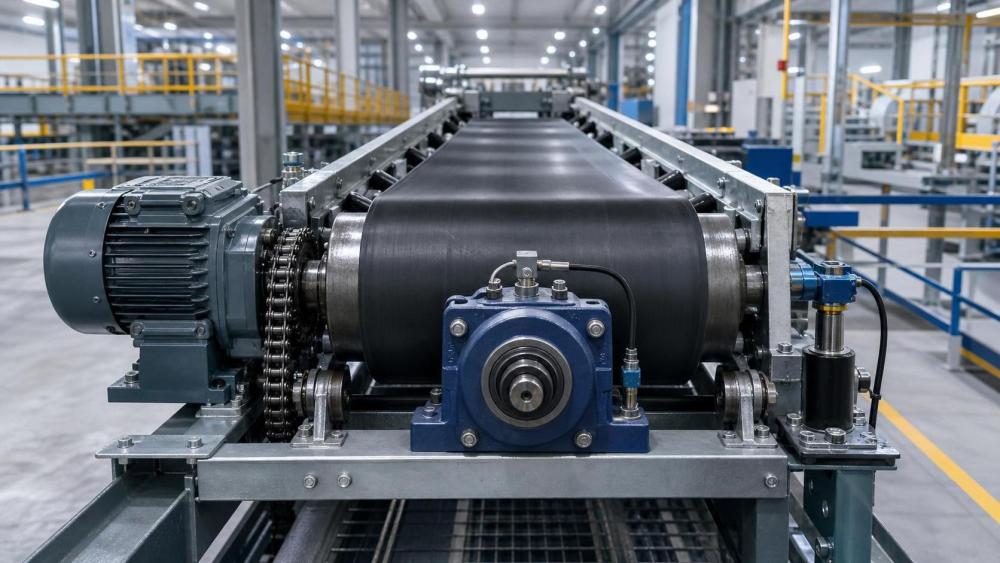
For after-sales maintenance work, machinery reliability engineering for conveyors is no longer optional. It directly affects uptime, output stability, spare parts cost, and customer confidence.
Conveyors look simple on the surface. In practice, they combine rotating parts, power transmission, sealing points, sensors, and loading variations that can trigger sudden failures.
That is why machinery reliability engineering for conveyors matters. It helps teams move from reactive repair toward planned intervention based on risk, condition, and failure history.
A practical reliability program does not begin with software alone. It starts with understanding which components fail, why they fail, and how those failures interrupt production.
From an engineering standpoint, the biggest gains usually come from bearings, belts, chains, couplings, pulleys, seals, lubrication practices, and condition monitoring routines.
Once those areas are controlled, conveyor reliability improves fast. Emergency stops drop, maintenance windows become more predictable, and root cause analysis becomes easier to trust.
Why Conveyor Failures Keep Returning
Many sites replace failed parts quickly but never remove the real cause. That cycle keeps unplanned downtime alive, even when premium components are installed.
In machinery reliability engineering for conveyors, repeated failure usually points to system conditions, not isolated bad parts. The component is often the final victim.
Common root causes include:
- Bearing contamination from dust, washdown, or damaged seals
- Improper belt tension that overloads shafts and bearings
- Chain elongation that changes timing and load distribution
- Pulley or sprocket misalignment that creates uneven wear
- Inadequate lubrication intervals or incorrect lubricant selection
- Motor and gearbox loading that exceeds design assumptions
- Loose mounting hardware and structural vibration
A conveyor may keep running with one of these issues for weeks. Then a minor upset pushes it into a breakdown during peak production.
That is the real value of machinery reliability engineering for conveyors. It highlights hidden failure progression before a visible stoppage occurs.
Build the Reliability Baseline First
Before changing maintenance intervals, establish a baseline. Without one, it is hard to prove whether reliability actions are reducing failures or just shifting costs.
Start with a simple asset map. Break the conveyor into drive, carry, return, tensioning, support, sealing, and monitoring sections.
For each section, record the critical parts, failure modes, replacement frequency, and downtime impact. This turns maintenance history into a reliability decision tool.
Useful baseline metrics include mean time between failures, mean time to repair, emergency parts usage, lubrication compliance, and stoppage duration per incident.
In machinery reliability engineering for conveyors, these numbers matter because they reveal where the economic damage is actually concentrated.
Focus on Bearings, Chains, Belts, and Seals
Most conveyor failures trace back to a small group of wear components. That is where machinery reliability engineering for conveyors usually delivers the fastest return.
Bearings
Bearing reliability depends on load, speed, lubrication, contamination control, and mounting accuracy. A high-quality bearing still fails early if any of these are wrong.
Check housing fits, shaft condition, grease compatibility, and relubrication volume. Over-greasing causes heat. Under-greasing invites surface distress and wear.
Chains and Sprockets
Chains fail gradually. Pins and bushings wear, elongation grows, and impact loading increases. By the time operators hear noise, efficiency has already dropped.
Measure elongation instead of relying on appearance alone. Replace worn sprockets with chains as a set when tooth wear changes engagement geometry.
Belts and Pulleys
Belt slip creates heat, speed loss, and uneven wear. Belt over-tension creates another problem by increasing radial load on bearings and shafts.
Use tension measurement tools where possible. Also inspect pulley lagging, alignment, and debris buildup that can disturb tracking.
Seals and Contamination Control
Seals are often treated as small items, but they protect the entire system. Once dust, moisture, or chemicals enter, wear accelerates across many components.
Choose sealing materials for real operating conditions, not catalog averages. Temperature swings, washdown chemistry, and abrasive fines change seal life dramatically.
Use Condition Monitoring to Catch Failure Earlier
A strong inspection routine helps, but it has limits. Condition monitoring gives machinery reliability engineering for conveyors more precision and earlier warning.
The best approach is usually layered. Start simple, then add tools based on criticality and failure cost.
- Daily operator checks for noise, heat, tracking, and visible leakage
- Weekly mechanical inspection for tension, alignment, fasteners, and wear
- Monthly vibration or temperature trending on critical bearings and drives
- Targeted oil or grease analysis where contamination risk is high
- Sensor-based alerts for remote or hard-to-access conveyor sections
Vibration monitoring is especially valuable for rotating assemblies. It can identify imbalance, looseness, bearing damage, and misalignment before breakdown begins.
Temperature trending is simpler and often enough for secondary assets. A sudden increase usually indicates friction, lubrication loss, overload, or progressive seal failure.
This is where smart monitoring components add value. They support practical decisions instead of forcing maintenance teams to guess which asset needs attention first.
Turn Maintenance Data into Better Decisions
Data only helps if it leads to action. Machinery reliability engineering for conveyors works best when findings change inspection routes, stocking plans, and replacement timing.
For example, if one conveyor repeatedly consumes bearings, compare lubrication practice, housing sealing, alignment, and load profile against similar units.
If chain wear rises seasonally, check for contamination, lubrication washout, or duty cycle changes. Repeating patterns usually reveal an overlooked operating condition.
It also helps to rank spare parts by criticality. A low-cost seal may deserve higher stock priority than a larger component with a longer failure lead time.
This kind of planning reduces panic buying, shortens repair time, and supports a lower total cost of ownership across the conveyor system.
Practical Actions That Reduce Unplanned Downtime
The most effective machinery reliability engineering for conveyors is practical, repeatable, and easy to audit. Small routine improvements usually outperform one-time overhaul efforts.
- Standardize inspection points for each conveyor type
- Define alarm limits for vibration and temperature trends
- Match lubricants to speed, load, and contamination conditions
- Replace worn chains, belts, and mating parts before collateral damage starts
- Upgrade seals where washdown, dust, or chemicals are persistent
- Review misalignment after every major component replacement
- Capture failure photos and teardown notes for root cause tracking
- Link spare parts planning to actual failure history, not assumptions
In real operations, these steps create a more stable maintenance rhythm. That stability is what lowers downtime without sacrificing equipment protection.
Machinery reliability engineering for conveyors is ultimately about control. When failure signals are visible early, repairs become planned events instead of production crises.
A focused program built around bearings, chains, belts, seals, and monitoring will usually deliver the clearest gains first. From there, reliability improvements become easier to sustain.
Want to dive deeper into these market dynamics, or need data-driven support for your next business move? Drop a line below and let the analysts at PCTS provide customized insights.
We respect your privacy. Your information is strictly confidential.
Related News
- 00
0000-00
How sealing technology reduces contamination in semiconductor manufacturing - 00
0000-00
Where to install vibration sensors on rotating machinery - 00
0000-00
NTSB Probe Finds Boeing Warned of MD-11 Engine Bearing Risk Years Earlier - 00
0000-00
How to size pneumatic grippers for packaging system integration - 00
0000-00
How to size alloy steel power transmission chains for heavy loads
Weekly Insights
Stay ahead with our curated technology reports delivered every Monday.