





Heavy-Duty Transmission Chains Distributor Guide: Comparing Wear Life and Total Cost
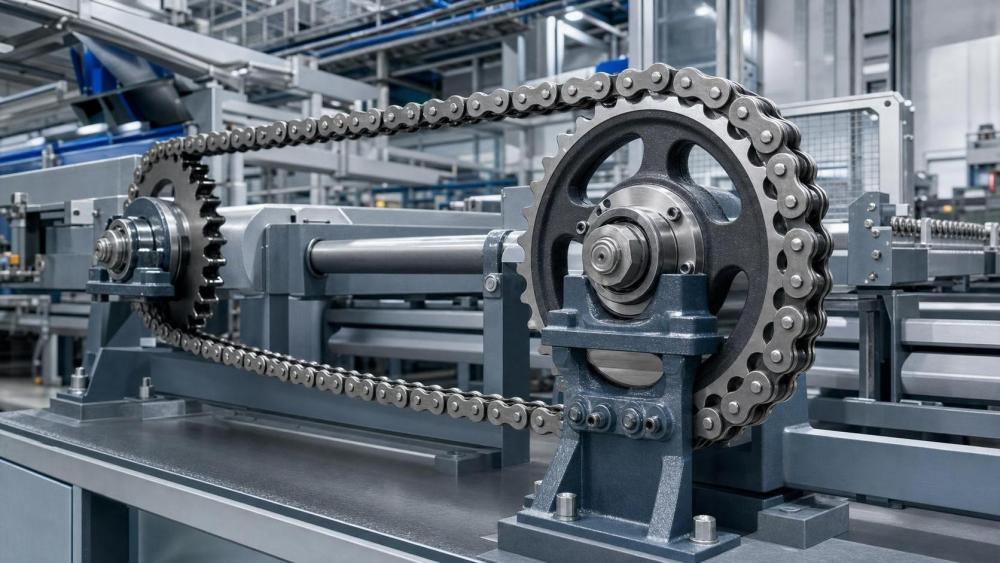
Choosing the right heavy-duty transmission chains distributor affects more than unit price. It directly influences wear life, shutdown frequency, spare stock pressure, and long-run maintenance cost.
That matters because chain failure rarely stays isolated. It can damage sprockets, upset timing, reduce throughput, and force urgent replacement under poor buying conditions.
In practical sourcing, the best heavy-duty transmission chains distributor is not always the lowest bidder. The better choice is the one that lowers total operating cost across the full service cycle.
This guide compares the factors that shape chain durability, supplier reliability, and lifecycle economics. It is built for decisions where cost control and uptime both matter.
Why wear life matters more than the invoice price
A low-priced chain can become expensive very quickly. Early elongation, pin wear, poor lubrication retention, and corrosion often raise the true cost far beyond the purchase order value.
A qualified heavy-duty transmission chains distributor should explain expected wear behavior, not just pitch, breaking load, and delivery time. That is the first sign of a useful supplier relationship.
Wear life affects four cost layers at once:
- Replacement frequency and labor hours
- Unplanned downtime and lost output
- Collateral wear on sprockets and shafts
- Inventory tied up in emergency spare stock
This also means a chain with a higher upfront cost can still produce a better landed result. Longer service intervals usually stabilize maintenance planning and reduce procurement volatility.
How a heavy-duty transmission chains distributor should be evaluated
Distributor evaluation should move beyond catalog coverage. Technical depth, sourcing transparency, and after-sales responsiveness often separate a strategic supplier from a simple reseller.
A dependable heavy-duty transmission chains distributor usually performs well in the following areas:
- Clear chain specification support for load, speed, shock, and environment
- Material traceability and coating or heat-treatment disclosure
- Reliable lead times for standard and special configurations
- Failure analysis support when wear occurs too early
- Stock planning advice for critical operations
From a procurement standpoint, the strongest distributors reduce uncertainty. They make technical risk easier to price and supply interruptions easier to prevent.
The main drivers of chain wear life
When comparing offers, wear life should be tied to actual operating conditions. Chain performance depends on design details that are often hidden behind a similar-looking specification sheet.
Material and heat treatment
Pins, bushings, rollers, and plates do not wear at the same rate. Their hardness balance matters. Poor heat treatment can increase brittleness or accelerate joint wear.
A strong heavy-duty transmission chains distributor should identify material grade, case depth, and hardness range when requested. Without that, technical comparison stays incomplete.
Lubrication retention
Most chain wear starts at the pin-bushing interface. If lubricant does not stay where friction happens, elongation accelerates and service life drops fast.
In dusty, wet, or high-temperature lines, lubrication performance matters as much as base strength. Some distributors can recommend chain types matched to those conditions.
Load pattern and shock
Many applications fail from intermittent shock rather than steady load. Conveyors, bucket systems, agricultural machinery, and steel handling lines often create repeated impact stress.
A knowledgeable heavy-duty transmission chains distributor should ask about starts, stops, reversals, and overload events. Static rating alone does not predict true field performance.
Contamination and corrosion
Abrasive fines, washdown chemicals, and outdoor humidity can shorten chain life sharply. Corrosion weakens surfaces, disrupts lubrication films, and raises friction over time.
This is where coatings, stainless options, and sealing strategies become commercially important. The right distributor should align chain selection with environmental risk, not only price targets.
Comparing total cost instead of unit cost
Total cost analysis gives a more accurate purchasing picture. It exposes how a cheaper chain may become the more expensive option after installation.
Use a simple comparison model across one operating year or one expected service cycle. That creates a fair view when suppliers quote different chain constructions.
The key is to request data that supports this model. A serious heavy-duty transmission chains distributor should help estimate service interval, relubrication need, and expected wear trend.
Questions worth asking before placing an order
Better buying decisions usually come from better technical questions. These questions uncover hidden cost drivers early, before the chain enters service.
- What is the expected elongation rate in similar duty conditions?
- Which material and heat treatment are used for pins and bushings?
- What lubrication method is recommended for this speed and environment?
- Is the chain matched to the current sprocket geometry?
- Can the distributor provide field references in related industries?
- What support is available if wear appears earlier than projected?
A capable heavy-duty transmission chains distributor will answer these questions with specifics. Vague answers usually signal weak application knowledge or limited product traceability.
Common buying mistakes that raise total cost
Several sourcing errors appear repeatedly across industrial transmission purchases. They often look minor during quotation review but become expensive after commissioning.
- Choosing by breaking load only, without checking wear resistance.
- Ignoring contamination, washdown, or temperature effects.
- Mixing new chains with badly worn sprockets.
- Skipping lubrication planning during supplier selection.
- Treating all distributors as equal service providers.
These mistakes usually distort cost analysis. The result is a lower quote on paper and a higher ownership burden in operation.
A practical selection framework for supplier comparison
When comparing suppliers, use a weighted score instead of a price-only ranking. This creates a cleaner view of value, especially for critical lines and heavy-duty service.
Score each heavy-duty transmission chains distributor across five decision areas:
- Technical fit with load, speed, and environment
- Projected wear life and maintenance interval
- Lead time stability and stock availability
- Documentation, traceability, and standards support
- Commercial terms, service response, and claim handling
This approach is especially useful when two chain offers appear similar. Once wear life and service support are scored, the stronger option usually becomes more visible.
Final decision points for a better chain sourcing outcome
The right heavy-duty transmission chains distributor should help reduce failure risk, not simply process an order. That difference becomes clear in demanding applications and tight maintenance windows.
Focus on wear life evidence, lubrication guidance, material transparency, and realistic support after delivery. Those factors shape total cost far more than a small gap in unit price.
In current industrial sourcing, better decisions come from connecting technical detail with operating economics. That is how chain purchasing becomes a reliability decision, not just a transactional one.
Use this framework to compare each heavy-duty transmission chains distributor on lifecycle value. The result is usually longer service life, fewer disruptions, and a more defensible procurement outcome.
Want to dive deeper into these market dynamics, or need data-driven support for your next business move? Drop a line below and let the analysts at PCTS provide customized insights.
We respect your privacy. Your information is strictly confidential.
Related News
- 00
0000-00
IndexBox Forecasts 3.8% Annual Growth for Global Radial Seals Market Through 2035 - 00
0000-00
How to assess the chemical compatibility of FFKM sealing sheets - 00
0000-00
IndexBox Forecasts 3.6% Annual Growth for Construction Bearings Market - 00
0000-00
When do hydraulic components require an export license? - 00
0000-00
How to size modular pneumatic valve systems for adequate airflow
Weekly Insights
Stay ahead with our curated technology reports delivered every Monday.