





What a Packaging Automation Systems Integrator Should Solve Before Line Expansion
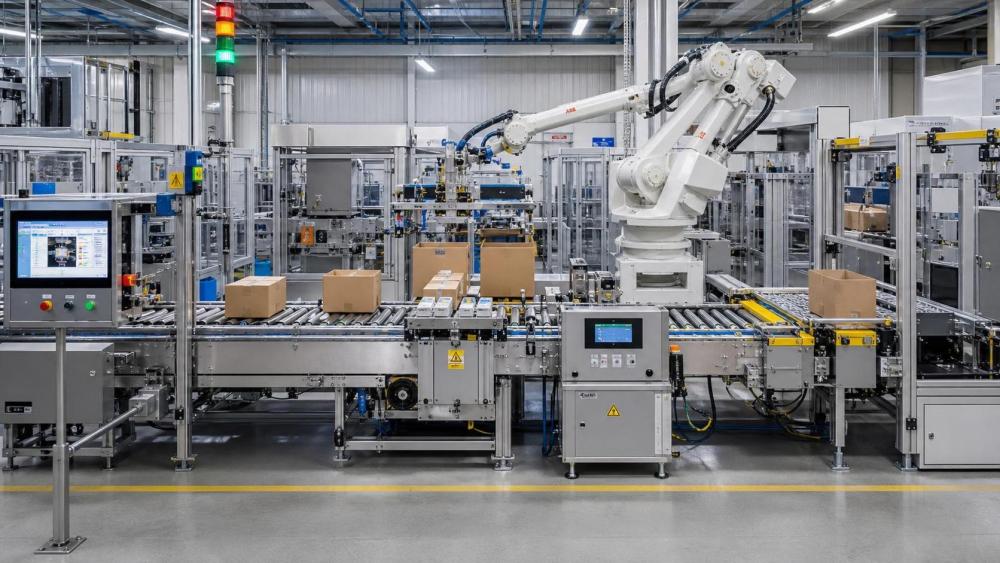
Before more speed is added, constraints need to be removed. That is where a packaging automation systems integrator creates the most value.
Many expansion projects fail for one reason. Teams scale equipment first, then discover the system around it cannot support the change.
A packaging automation systems integrator should therefore start with system logic, not machine count. Capacity is only one part of expansion.
In real plants, downtime often comes from transfer gaps, control conflicts, poor access, unstable materials, and uneven upstream supply.
That also means line expansion affects bearings, drives, seals, pneumatics, conveyors, sensors, and maintenance routines at the same time.
A strong packaging automation systems integrator solves hidden failure points before approving a faster layout, extra robot cell, or new packaging module.
1. Confirm the Real Constraint Before Expanding the Line
Line expansion often begins with the wrong assumption. If output is low, the bottleneck must be the filler, packer, or palletizer.
In practice, the true limit may sit elsewhere. It may be product infeed stability, changeover loss, case quality, or discharge accumulation.
A packaging automation systems integrator should map the full line. That includes cycle times, micro-stops, manual interventions, and reset events.
Without that baseline, new equipment simply moves the bottleneck. Sometimes it makes the problem sharper and more expensive.
- Measure actual throughput by shift, not nameplate speed.
- Separate planned stops from recurring micro-failures.
- Track where operator touchpoints interrupt flow.
- Review reject patterns by product format and packaging material.
This diagnostic step is basic, but it is often skipped. A packaging automation systems integrator should treat it as the entry gate.
2. Fix Layout Logic and Material Flow Early
A faster machine cannot rescue a poor layout. Material flow has to remain smooth across every transfer, merge, queue, and discharge point.
This is where a packaging automation systems integrator earns trust. The physical arrangement must support motion, visibility, and recovery.
If products surge into one zone and starve another, output drops even when every machine works as designed.
Transfers also depend on details. Conveyor speed ratios, chain wear, guide alignment, and belt traction all affect stability.
For heavier cases or unstable packs, transmission selection matters. Bearings, couplings, and drive components need enough margin for real duty.
A packaging automation systems integrator should review these layout questions before finalizing the expansion plan:
- Is there enough buffer between critical stations?
- Can operators clear jams without crossing unsafe zones?
- Will new accumulation create pressure on cartons or pouches?
- Do forklift and material replenishment paths stay clear?
Small layout errors become large output losses after expansion. That is why system flow needs equal weight with machine performance.
3. Resolve Controls Compatibility and Data Gaps
A packaging automation systems integrator should never assume controls will integrate cleanly. Mixed platforms often hide expensive delays.
The issue is not only communication. It is also recipe logic, fault handling, safety zoning, HMI standards, and restart sequence behavior.
When one machine faults, the rest of the line must react predictably. If it does not, upstream overflow and downstream starvation appear fast.
More obvious signals include duplicate alarms, slow signal handshakes, and operators relying on workarounds no engineer documented.
A packaging automation systems integrator should define one controls strategy across old and new assets. That strategy should cover:
- PLC and network compatibility
- Safety architecture and recovery rules
- Shared performance tags and OEE visibility
- Version control for programs and recipes
- Remote diagnostics and maintenance access
This matters even more when predictive maintenance is planned. Sensor data has little value if line logic cannot use it in time.
4. Check Utility Capacity, Motion Stability, and Wear Parts
Line expansion increases demand on utilities and motion systems. Air, power, lubrication, vacuum, and cooling loads must be recalculated.
This is not a side issue. A packaging automation systems integrator should treat utility verification as part of core engineering.
Pneumatic actuators may cycle faster. Hydraulic units may face higher peak demand. Drive trains may see more starts, stops, and shock loads.
That changes wear rates for chains, belts, sprockets, seals, bearings, and couplings. Ignoring this leads to short maintenance intervals.
A packaging automation systems integrator should ask whether current components support the new duty cycle or only the old one.
For lines running in dusty, wet, or washdown conditions, sealing performance becomes even more important after speed increases.
A useful review table helps keep these checks grounded in action:
5. Design for Changeovers, Maintenance, and Recovery
Expansion projects often focus on peak speed. Daily success depends more on how fast the line changes, recovers, and stays serviceable.
A packaging automation systems integrator should reduce friction in normal operations. That includes format change, cleaning, inspection, and spare part replacement.
Poor maintenance access creates hidden cost. Technicians lose time removing guards, reaching sensors, or disassembling transfer modules just to clear one issue.
The better approach is simple. Build the expanded line so failures are visible, access is direct, and recovery steps are consistent.
This also supports reliability programs. Condition monitoring only works when parts are accessible and maintenance teams can respond quickly.
- Standardize wear parts across stations where possible.
- Keep lubrication points visible and reachable.
- Allow enough room for safe bearing, chain, and belt replacement.
- Write restart logic around actual plant recovery behavior.
A packaging automation systems integrator that ignores maintainability usually hands over a faster line with lower real availability.
6. Build the Business Case Around Reliability, Not Only Speed
The best expansion decision is rarely the one with the highest theoretical throughput. It is the one that improves reliable output.
A packaging automation systems integrator should translate engineering choices into production economics. That includes labor, scrap, uptime, and spare parts exposure.
For example, a better conveyor transfer may look minor. Yet it can reduce jams, seal damage, and carton rejects across every shift.
Likewise, a stronger control strategy may avoid costly commissioning delays and shorten future upgrades across other packaging lines.
From a decision standpoint, this is more persuasive than speed alone. It shows whether the expansion will hold under daily operating pressure.
When evaluating a packaging automation systems integrator, look for evidence in five areas:
- Constraint diagnosis before equipment selection
- Proven control integration across mixed assets
- Mechanical understanding of wear, motion, and sealing
- Maintenance-friendly design decisions
- A commissioning plan tied to measurable output
Move Expansion from Equipment Upgrade to System Solution
Line expansion works when the whole system is ready for it. That is the standard a packaging automation systems integrator should meet.
Before adding stations, robots, or speed, solve the constraints that limit flow, control response, maintenance access, and component life.
That creates a line that performs well beyond startup. It also reduces rework, protects uptime, and supports future packaging automation upgrades.
The practical next step is straightforward. Audit the present bottleneck, validate system compatibility, and expand only after the base line is stable.
Want to dive deeper into these market dynamics, or need data-driven support for your next business move? Drop a line below and let the analysts at PCTS provide customized insights.
We respect your privacy. Your information is strictly confidential.
Related News
- 00
0000-00
How sealing technology reduces contamination in semiconductor manufacturing - 00
0000-00
Where to install vibration sensors on rotating machinery - 00
0000-00
NTSB Probe Finds Boeing Warned of MD-11 Engine Bearing Risk Years Earlier - 00
0000-00
How to size pneumatic grippers for packaging system integration - 00
0000-00
How to size alloy steel power transmission chains for heavy loads
Weekly Insights
Stay ahead with our curated technology reports delivered every Monday.